
BEYOND THE M-DIVISION: THE ELITE E46 TUNERS
ALPINA: THE
Gentleman’s M3
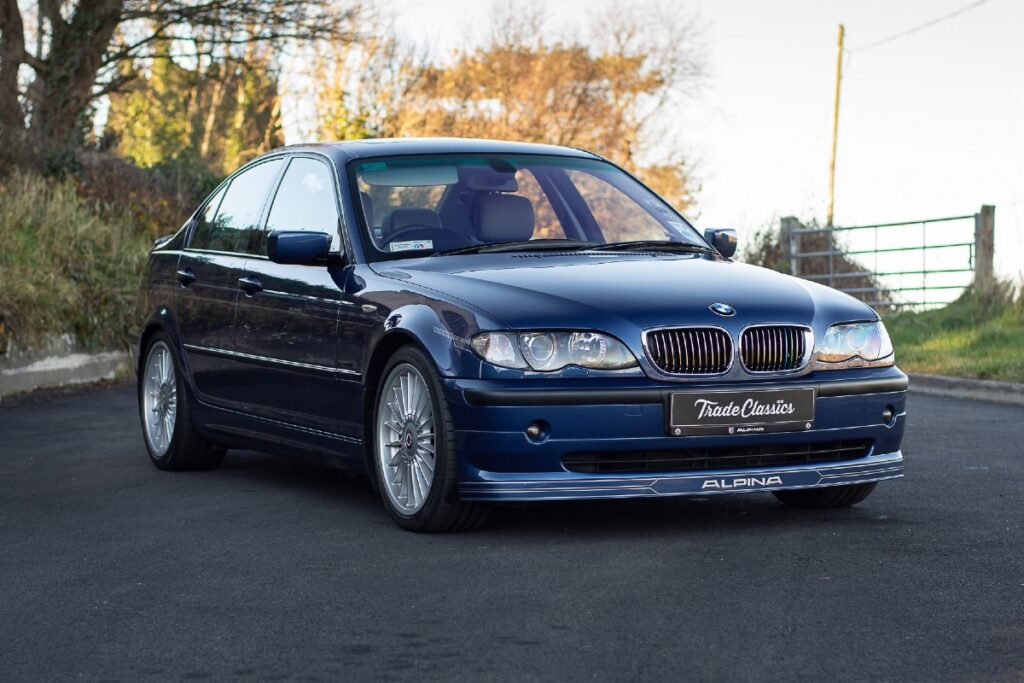
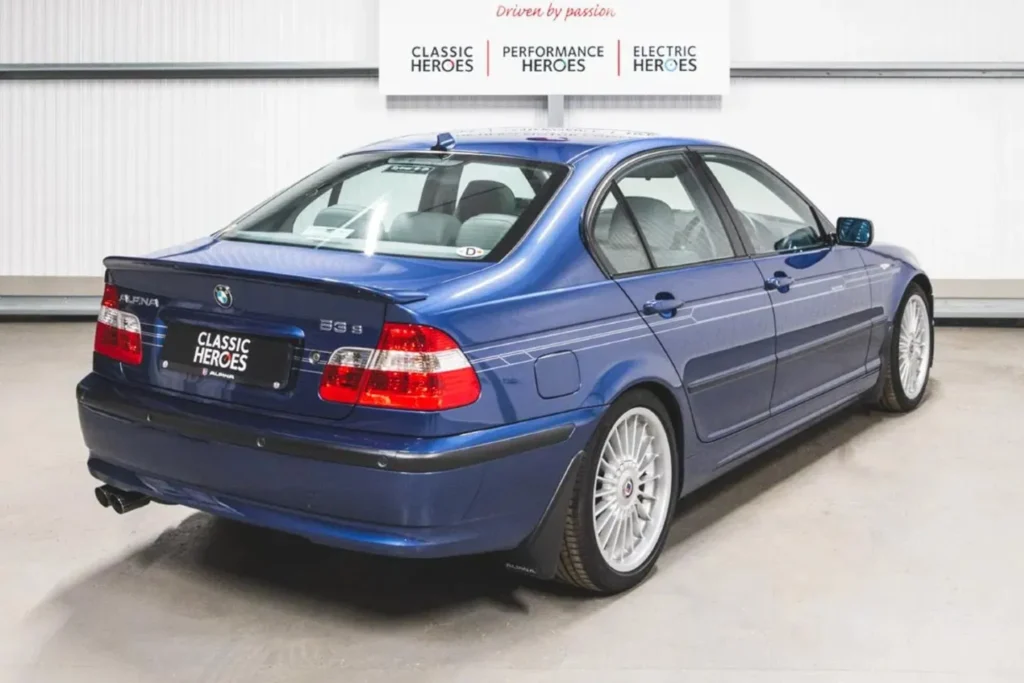
To call Alpina a mere “tuner” is historically and legally incorrect. Founded by a 29-year-old Burkard Bovensiepen and officially registered in 1965, Alpina began by tuning the BMW 1500 with dual Weber carburetors. After an incredibly successful motorsport campaign in the late 1960s and 1970s—winning touring car championships with racing legends like Niki Lauda and Jacky Ickx—Alpina shifted its focus. In 1983, the German Ministry of Transport officially recognized Alpina as an independent automobile manufacturer.
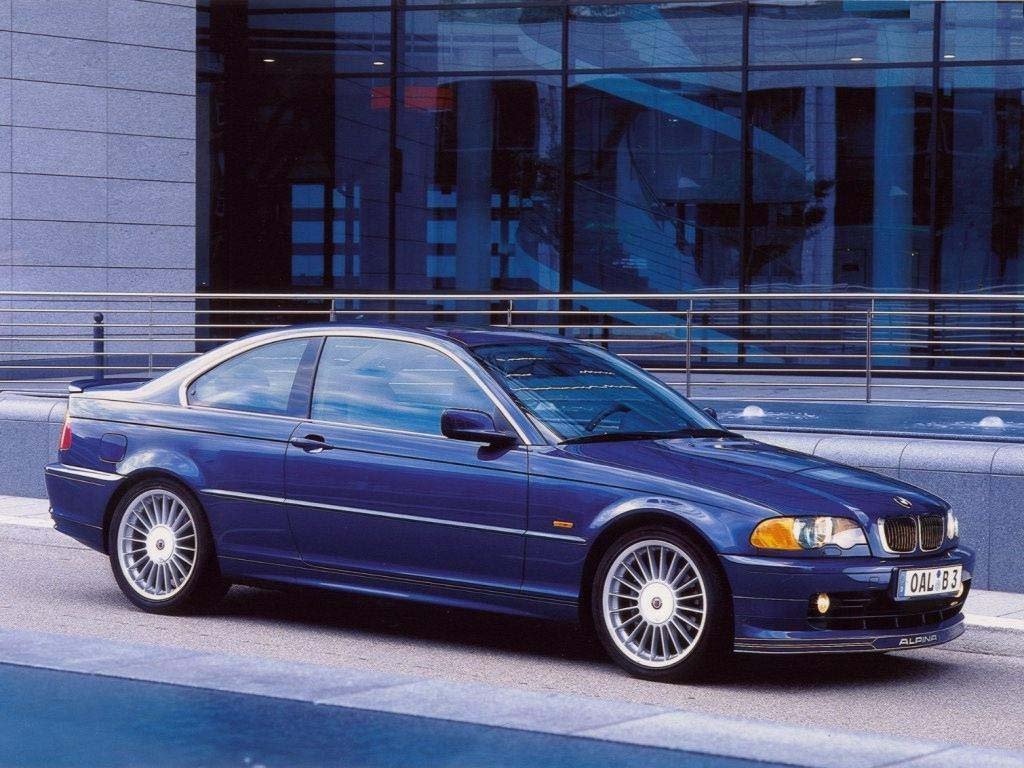
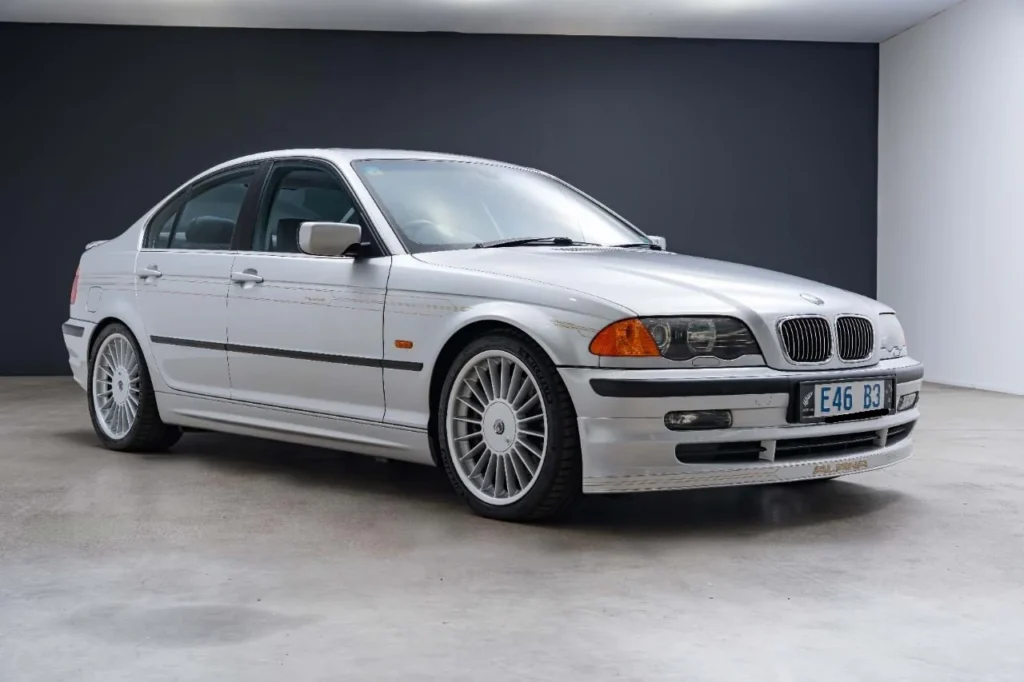
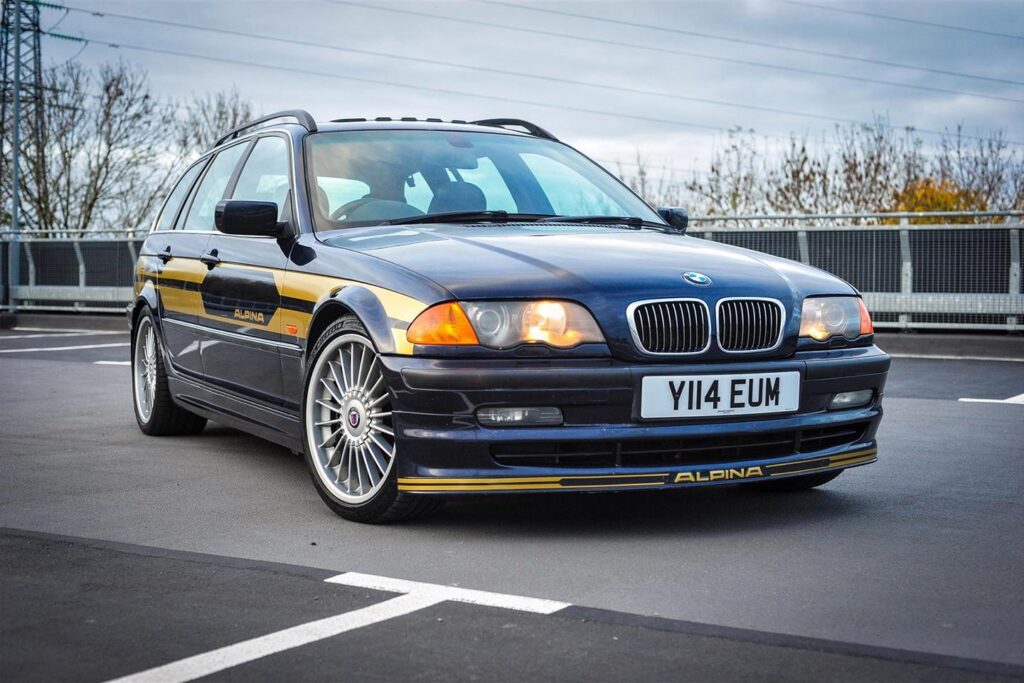
While BMW M focused on razor-sharp, high-revving track dynamics, Alpina’s philosophy married immense, effortless torque with unparalleled luxury. Every Alpina model was defined by its signature 20-spoke alloy wheels, specific metallic blue paints, and the removal of the standard 250 km/h electronic speed limiter. (Note: Alpina’s legendary run as an independent manufacturer officially concluded on December 31, 2025, after which the brand was fully integrated into the BMW Group).
During the E46 era, Alpina produced the ultimate alternative to the M3, offering something BMW M refused to build for the public: a high-performance Sedan, an Allrad (all-wheel-drive) model, and crucially, the incredibly sought-after Touring (wagon).
The Alpina B3 3.3 (1999 – 2002)
Introduced at the 1999 Geneva Motor Show, the B3 3.3 was an absolute masterpiece of performance and refinement.
Instead of using the high-strung European M engine, Alpina cleverly based the B3’s powerplant on the US-spec E36 M3 engine (S52B32), utilizing its robust cast-iron block. They increased the bore to 86.4mm and extended the stroke to 94mm, bumping displacement to 3.3 liters. Combined with a bespoke forged crankshaft, extremely light pistons, and a newly developed torsional-vibration damper, the engine safely revved to 7,200 RPM. It produced a silky-smooth 280 horsepower at 6,100 RPM and 335 Nm of torque.
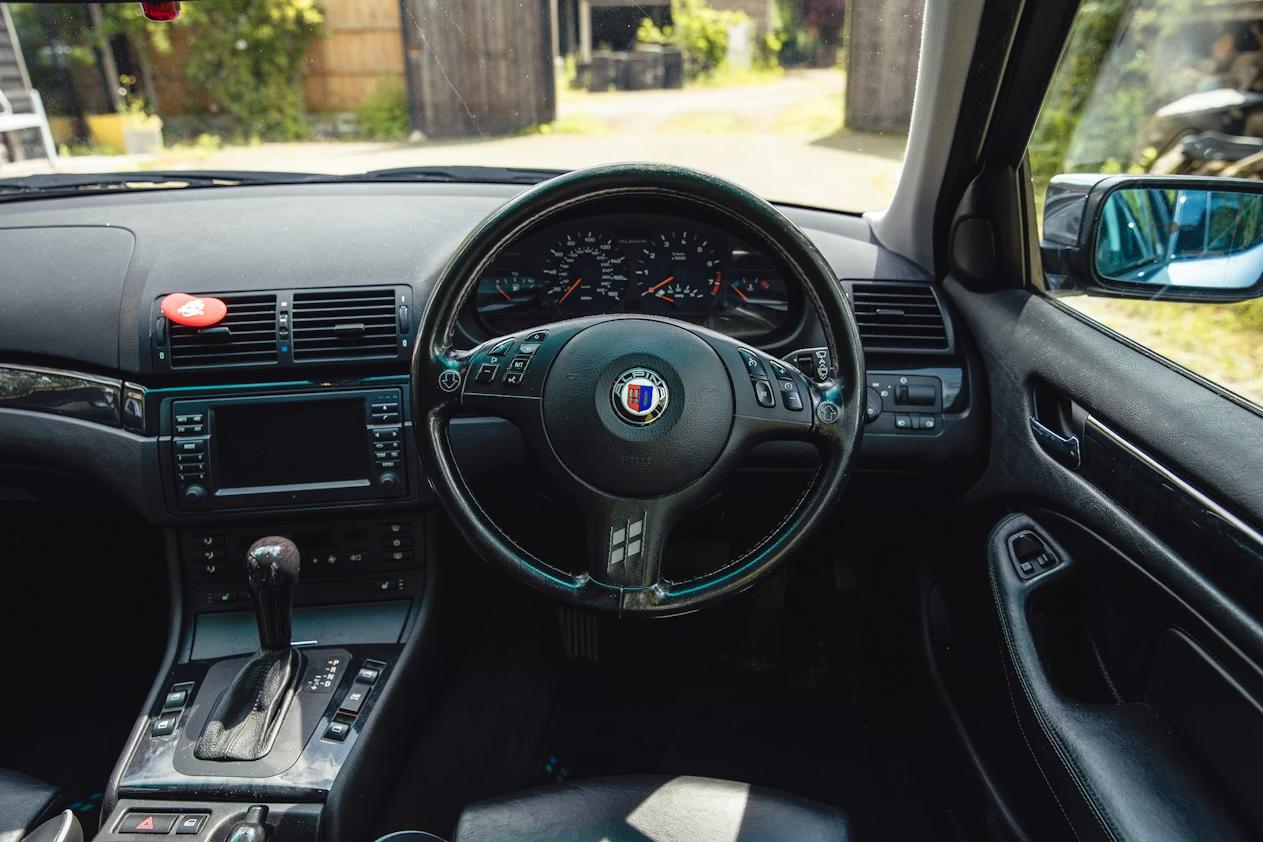
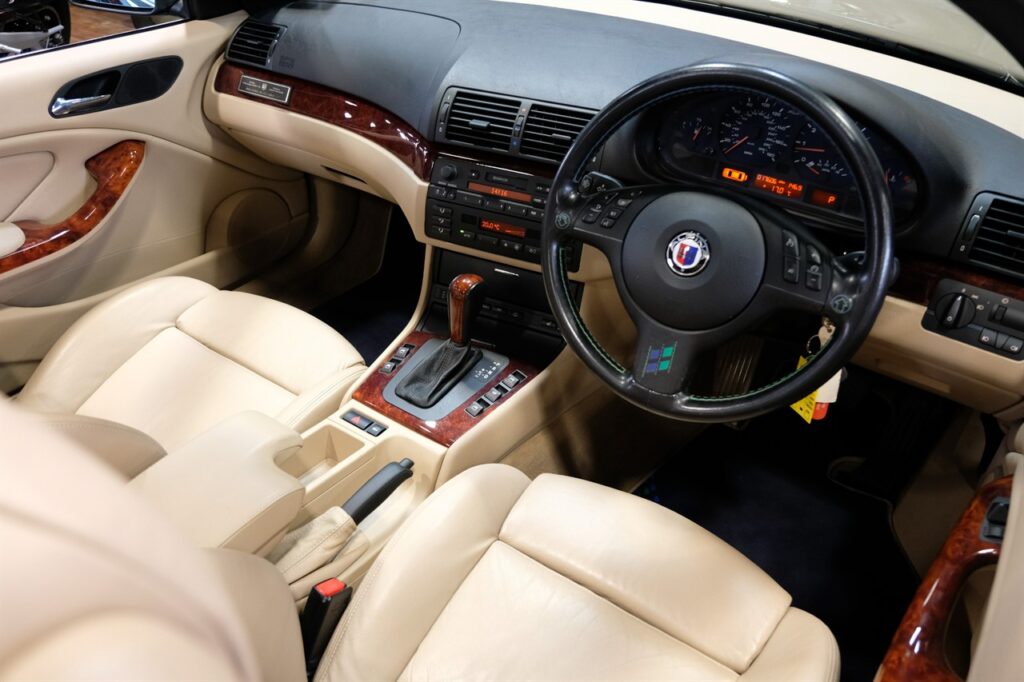
The Bespoke Interior: Inside the cabin is where the B3 3.3 truly distanced itself from standard BMWs. Alpina completely re-trimmed the interior to offer a level of bespoke luxury rarely seen in the compact executive class. The cabin featured:
- Deeply bolstered sport seats wrapped in exclusive Alpina-design leather.
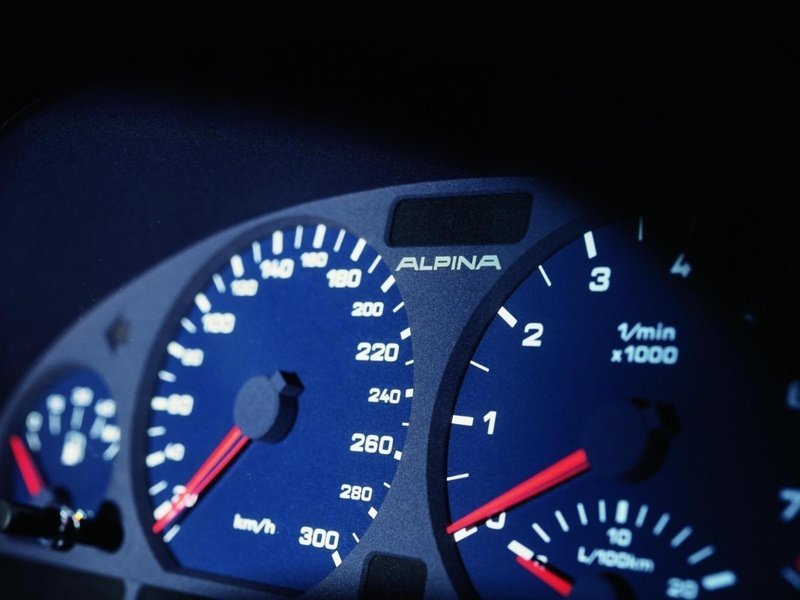
- A bespoke instrument cluster featuring a striking blue background with red needles.
- Luxurious, highly polished “Myrtle” wood trim across the dashboard and center console.
- A hand-stitched leather steering wheel (with integrated shift buttons for automatic models).
- Alpina-specific floor mats, custom door sills, and most importantly, a silver-plated production plaquedisplaying the car’s unique build number.
The Touring Debut: Following the Sedan and Coupe, the highly anticipated Touring version was introduced at the Geneva Motor Show in 2000. It offered the ultimate blend of family practicality and sports car pace. While the manual Coupe could hit 100 km/h in just 5.5 seconds, the heavier Touring was right behind it, accelerating from 0-100 km/h in 6.1 seconds with a top speed of 261 km/h (162 mph).
The Evolution: Alpina B3 S (2002 – 2006)
In 2002 at the Paris Motor Show, Alpina raised the stakes with the B3 S, introduced to perfectly coincide with the E46 facelift. If you wanted E46 M3 performance but needed a discreet, comfortable daily driver (or a lightning-fast family wagon), this was the ultimate answer.
Alpina engineers evolved the engine further, increasing the bore to 87mm to bring displacement to 3.4 liters (3,346 cc). With a completely redesigned intake, a new exhaust manifold to let the engine breathe freely, and a newer Siemens engine management system, power jumped to 305 horsepower at 6,300 RPM and 362 Nm of torque. Impressively, 90% of that maximum torque was available from just 2,500 RPM, giving the B3 S an incredibly muscular mid-range punch.
Despite being tuned for comfort, the B3 S laid down tremendous numbers. Auto Motor und Sport recorded a staggering 0-100 km/h time of just 5.2 seconds for the B3 S Coupe, matching the mighty M3 in a straight line and reaching top speeds of up to 271 km/h (168 mph). The highly coveted B3 S Touring, combining the massive 3.4L engine with estate-car practicality, could rocket to 100 km/h in just 5.8 seconds, maxing out at an impressive 266 km/h (165 mph).
HARTGE H50 V8: THE
Mad Scientists
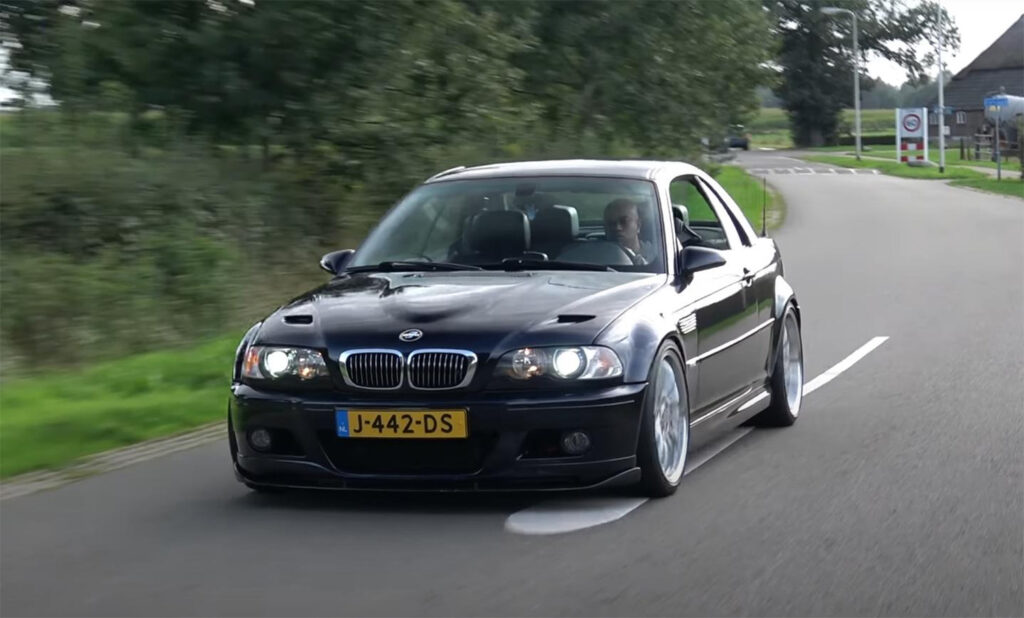
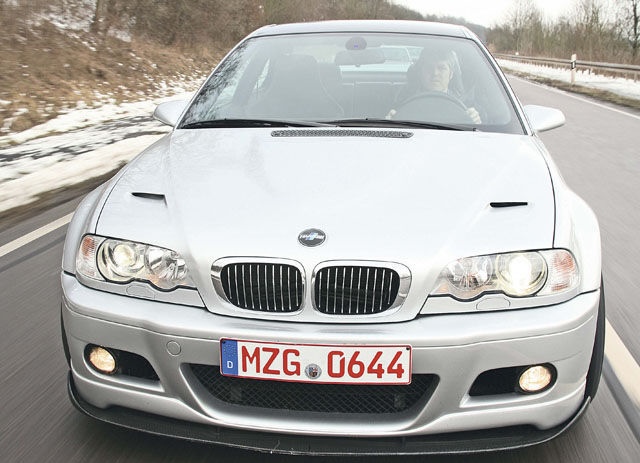
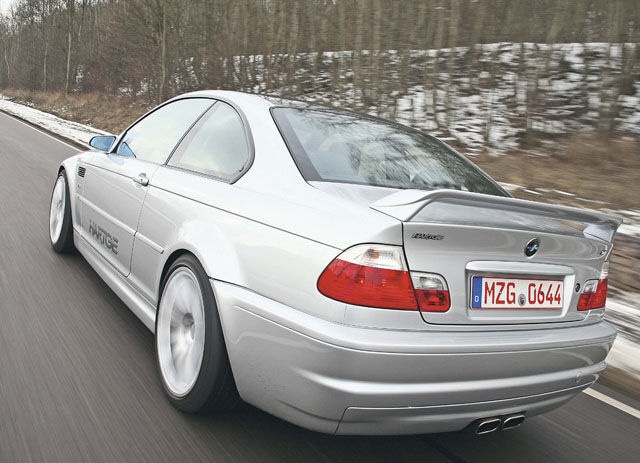
While Alpina focused on gentlemanly grand touring, the engineers at Hartge chose absolute brute force. Long before BMW M shocked the world with the V8-powered M3 GTR, Hartge looked at the E46 chassis and decided it needed the beating heart of the mighty E39 M5. The result was the Hartge H50, a Frankenstein monster of German engineering that remains one of the most insane tuner cars ever built.
Engineering the Impossible: The S62 V8 Swap
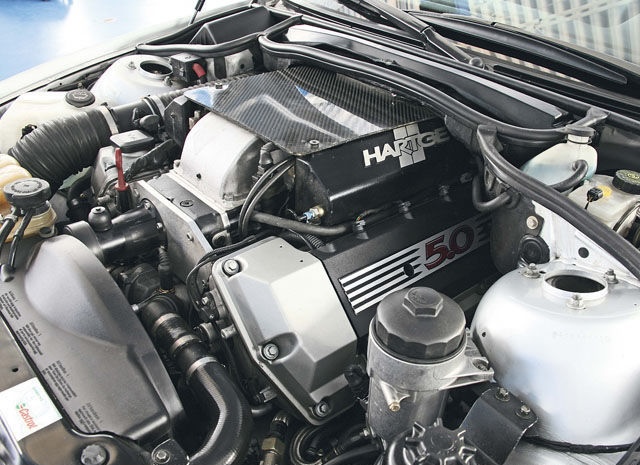
Squeezing a 4.9-liter V8 (the S62 engine) into an engine bay designed strictly for an inline-six was a monumental, almost impossible task.
While the V8 wasn’t significantly longer than the standard S54, it was drastically wider. To make it fit, Hartge engineers had to perform mechanical miracles. The packaging was so incredibly tight that the steering column had to be routed directly through the left exhaust manifold tubing, and the oil circulation system was cleverly integrated into the left engine mount.
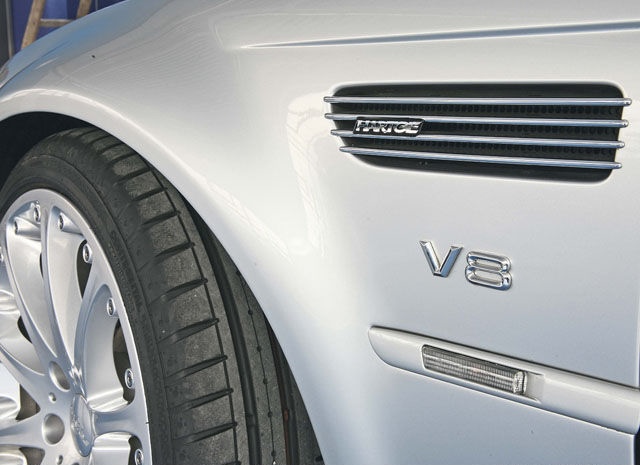
To dissipate the immense heat generated by the massive V8, Hartge designed a bespoke hood featuring a prominent powerdome and aggressive cooling gills. The engine management system received a custom remapped chip and a modified rev limiter, allowing the V8 to scream all the way to a 7,000 RPM redline.
This engine swap gave the E46 exactly what the standard M3 lacked: earth-shattering, instantaneous low-end torque.
Dynamics and Raw Performance
To ensure the E46 chassis could handle the brutal torque of the M5 engine, Hartge couldn’t just drop the motor in and call it a day.
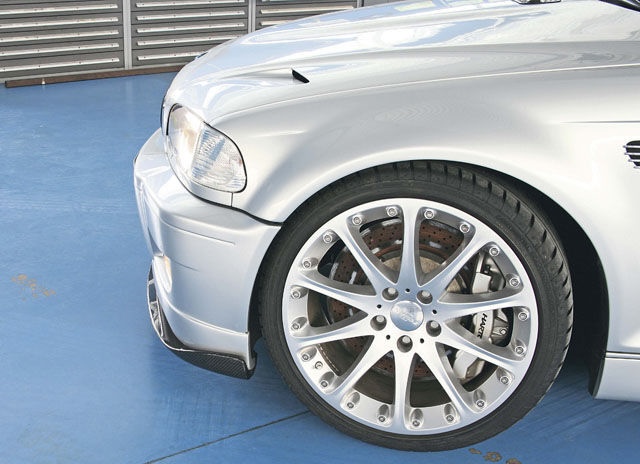
They installed a bespoke sport suspension package featuring custom shock absorbers and lowering springs, dropping the car’s ride height by 25mm. The H50 was planted to the tarmac using massive 19-inch Hartge Classic multi-spoke alloy wheels wrapped in sticky Pirelli P7000 tires. To accommodate the massive rear rubber, the rear fender arches had to be subtly widened. The braking system was also completely overhauled with heavy-duty calipers and larger rotors to stop the V8 missile.
The performance figures were staggering for the early 2000s: the Hartge H50 could violently launch from 0 to 100 km/h (62 mph) in just 4.7 seconds, relentlessly pushing the speedometer to a top speed of 300 km/h (186 mph).
The Essen Motor Show Controversy
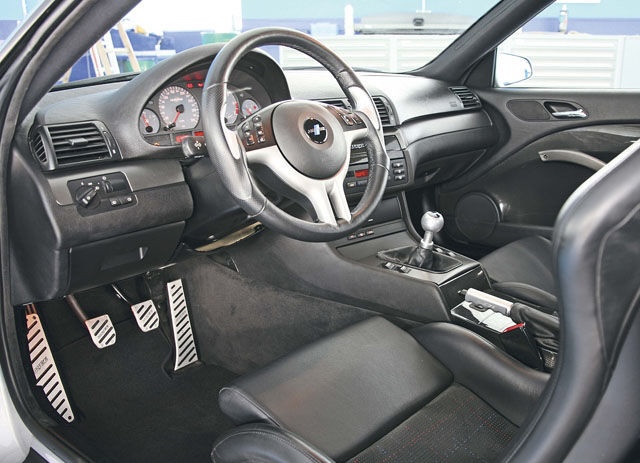
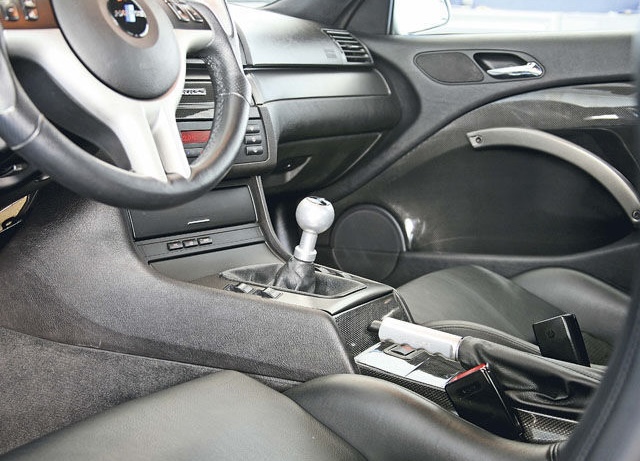
Visually, the H50 was menacing yet understated, featuring a custom front spoiler, subtle “V8” and “5.0” badges, and supportive BMW sport seats.
The engineering was so flawless and the car drove so perfectly that it sparked a notorious scandal in the tuning world. At the 2001 Essen Motor Show, a rival tuning company, Racing Dynamics, actually acquired an H50, removed the Hartge badges, and attempted to present the masterpiece as their own creation!
Priced at an astronomical $120,000 USD at the time, the Hartge H50 was an ultra-exclusive plaything for the incredibly wealthy. Only about 20 units were ever produced, making it one of the rarest and most legendary modified BMWs in existence.
AC SCHNITZER: THE
Nürburgring Discipline
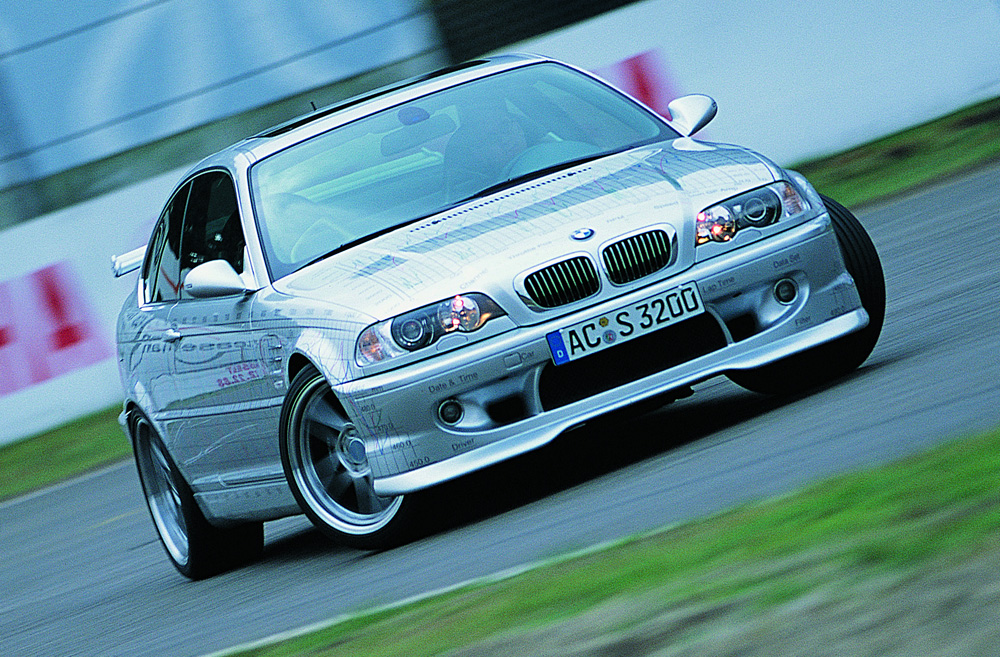
If Alpina mastered the art of luxurious torque and Hartge embraced the madness of V8 engine swaps, AC Schnitzerrepresented the pinnacle of holistic, track-focused refinement.
Founded in 1987 in the city of Aachen, Germany, AC Schnitzer operates under the prestigious Kohl Group umbrella (which also includes the renowned Opel tuning specialist, Steinmetz). Rather than completely rewriting the BMW rulebook, AC Schnitzer’s philosophy was to take the already brilliant E46 chassis and sharpen it to an absolute razor’s edge.
The Complete Performance Package
AC Schnitzer didn’t just build cars; they engineered comprehensive tuning ecosystems. For the E46 generation—whether it was a standard 3 Series or the mighty M3—they offered an extensive catalog of upgrades that transformed the vehicle from the ground up.
Their engineering focus covered every single aspect of the car:
- Aerodynamics: Aggressive front splitters, rear diffusers, and roof spoilers designed not just for visual drama, but to generate genuine downforce at Autobahn speeds.
- The Soundtrack: Bespoke, free-flowing stainless steel exhaust systems that amplified the metallic rasp of the BMW inline-six engines, ending in their signature racing tailpipes.
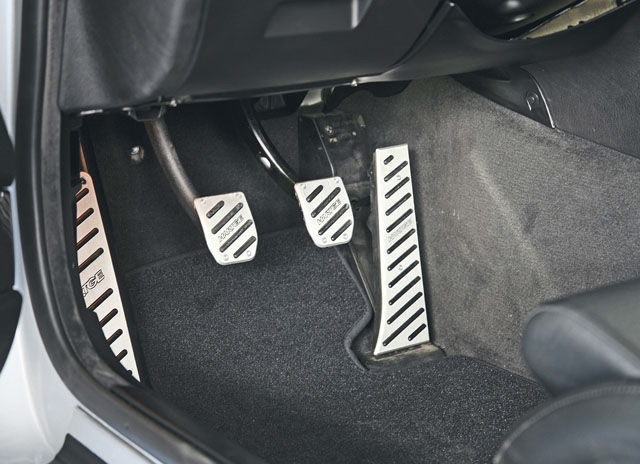
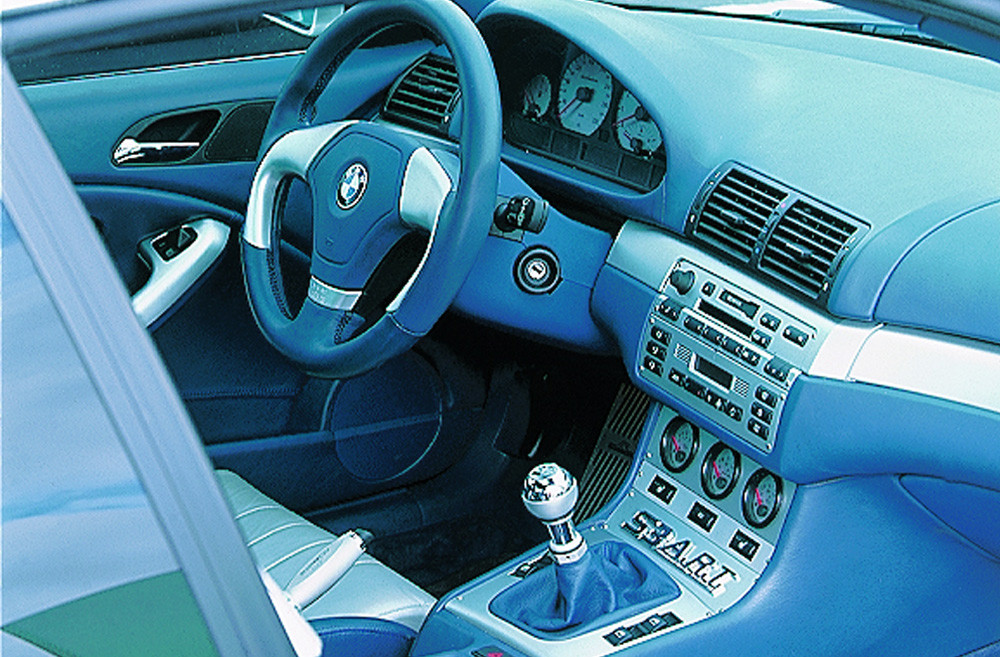
- The Cabin: Bespoke interior elements, including short-shift kits, carbon fiber trim, and their iconic drilled aluminum pedal sets, giving the cockpit a true motorsport feel.
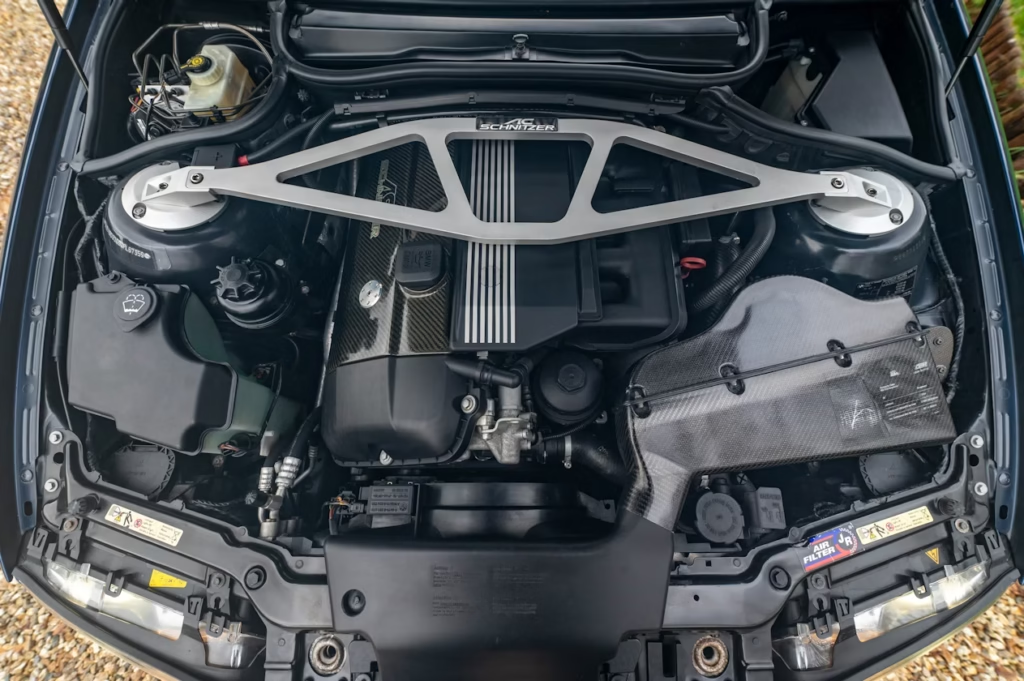
- Powertrain: Upgraded engine mapping and performance parts to extract every last reliable horsepower from the Bavarian powerplants.
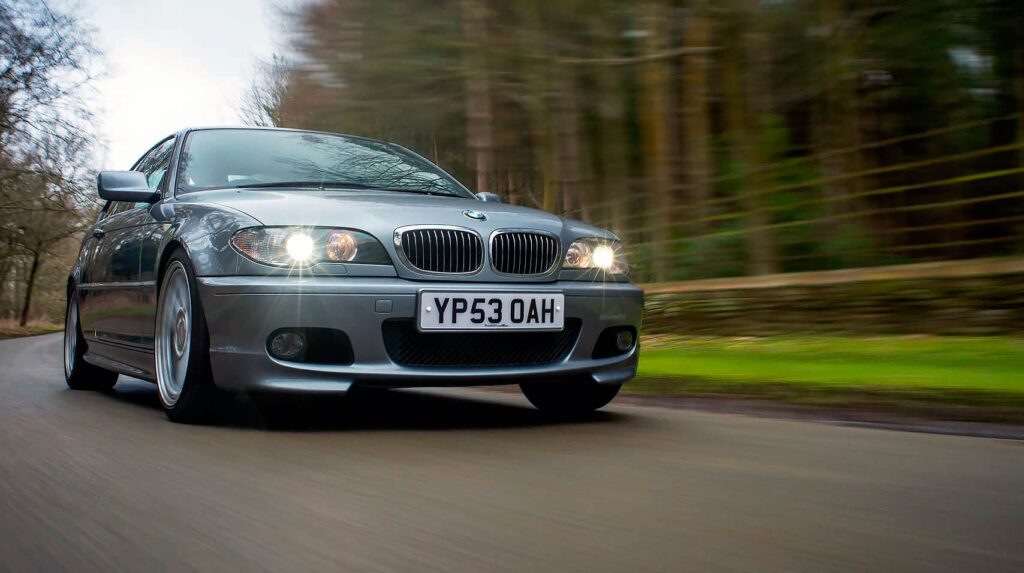
The Green Hell Proving Ground
What truly separated AC Schnitzer from mere cosmetic tuners was their absolute dedication to driving dynamics.
They were obsessed with handling. Every single chassis component they produced—from aggressive lowering springs and precisely valved shock absorbers to stiffened anti-roll bars—was relentlessly developed and tested on the world’s most demanding racetrack: the Nürburgring Nordschleife. If a suspension setup couldn’t survive the brutal compressions and high-speed corners of the “Green Hell,” it didn’t make it onto an AC Schnitzer car.
The Iconic Alloys
Of course, no AC Schnitzer build from the early 2000s is complete without mentioning their legendary alloy wheels. During the E46 era, their striking, multi-spoke Type II and Type III designs became absolute must-haves for European tuning enthusiasts. These wheels weren’t just beautiful; they were engineered to be incredibly strong, lightweight, and specifically offset to perfectly fill the E46’s muscular arches while clearing upgraded braking systems.
Through their meticulous Nürburgring testing and uncompromising German engineering, AC Schnitzer ensured that their vision of the E46 didn’t just look like a race car—it drove like one.