
THE BESPOKE E46: TECH, M-SPORT & BMW INDIVIDUAL
Stepping inside the E46 represented a generational leap for the compact executive class. The cabin grew by almost two inches in width compared to the outgoing E36, transforming the 3 Series from a cramped sports sedan into a spacious, highly refined grand tourer.
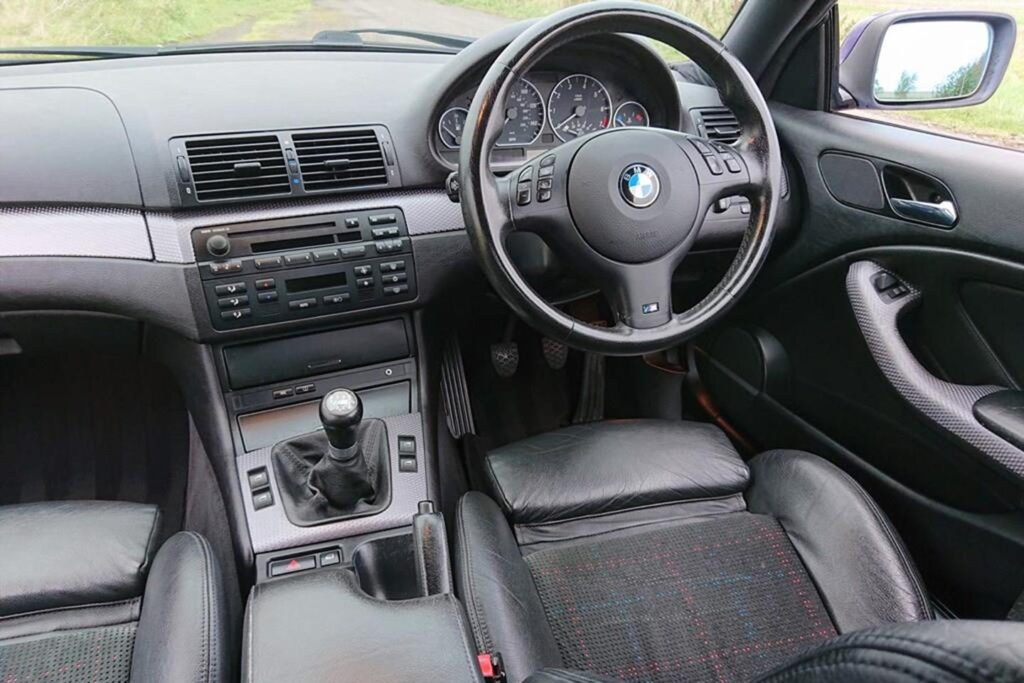
While the E46 moved away from the abrupt, blocky “cliff-face” dashboard of the 80s, embracing a flatter and more minimalist approach, it faithfully preserved BMW’s holy grail: the driver-oriented cockpit. From advanced safety to cutting-edge infotainment, the standard and optional equipment list allowed buyers to configure an E46 with the technological arsenal of a flagship 7 Series.
The Driver’s Sanctuary & Safety
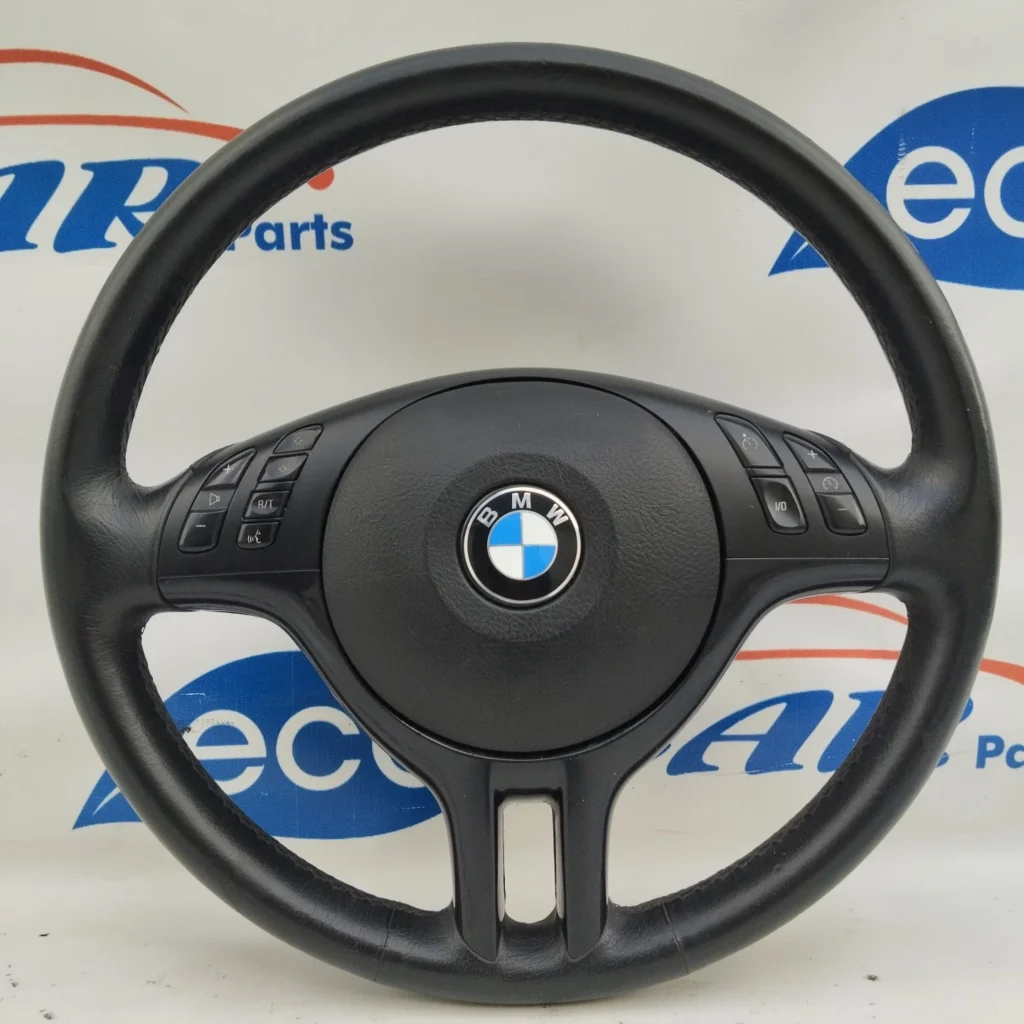
The fundamental architecture of the E46 interior was a masterpiece of ergonomic rationality. The newly introduced multifunction steering wheel—a first for the 3 Series—placed cruise control, audio settings, and hands-free communication right at the driver’s fingertips. For the most dedicated enthusiasts, BMW even offered a highly tactile ClubSport suede steering wheel.
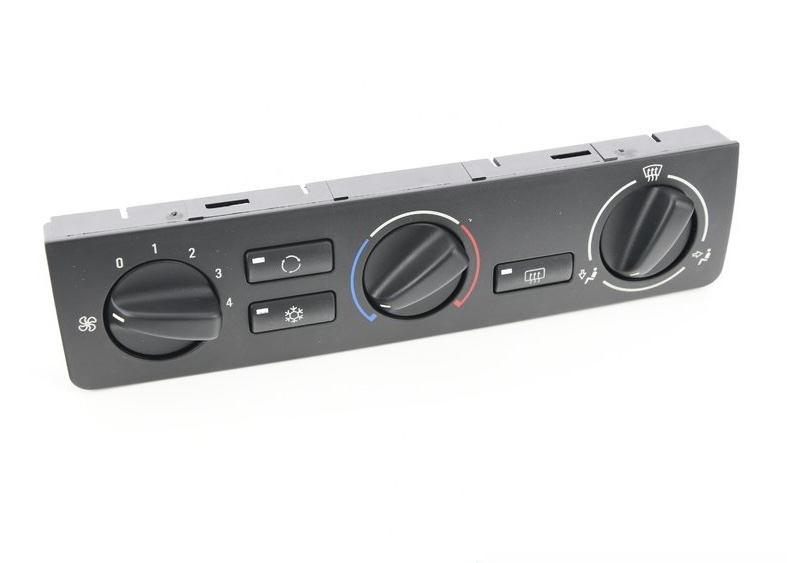
Climate control saw a major upgrade. While almost all E46s featured the highly effective automatic digital climate control with a standard cabin microfilter, some early or lower-spec models were equipped with the older-style manual rotary heater dials (though still featuring air conditioning).
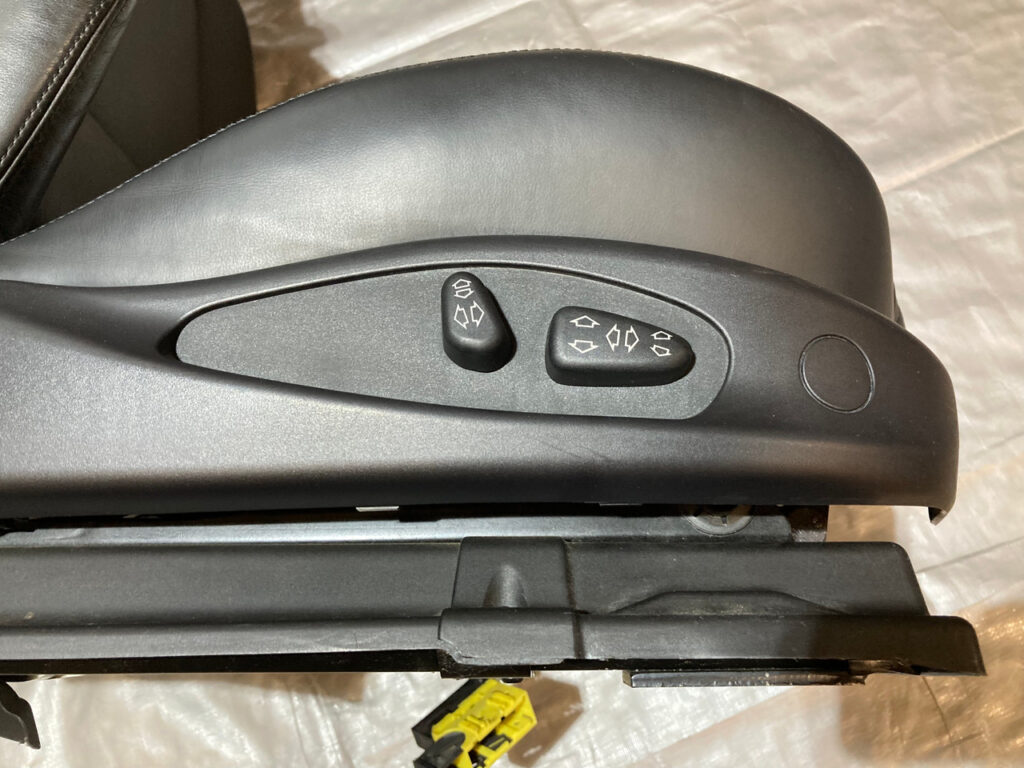
Safety was drastically improved. Unlike early 90s models, airbags were standard for both the driver and passenger, alongside front seat belt pre-tensioners. Buyers could option the car with up to eight airbags in total, including side-door airbags, A-pillar curtain airbags, and optional side airbags specifically for rear passengers (Option Code S261A). Comfort was equally paramount: highly desirable electric seat adjustment with memory function allowed drivers to lock in their perfect driving position at the push of a button.
The Technological Arsenal (Infotainment & Audio)
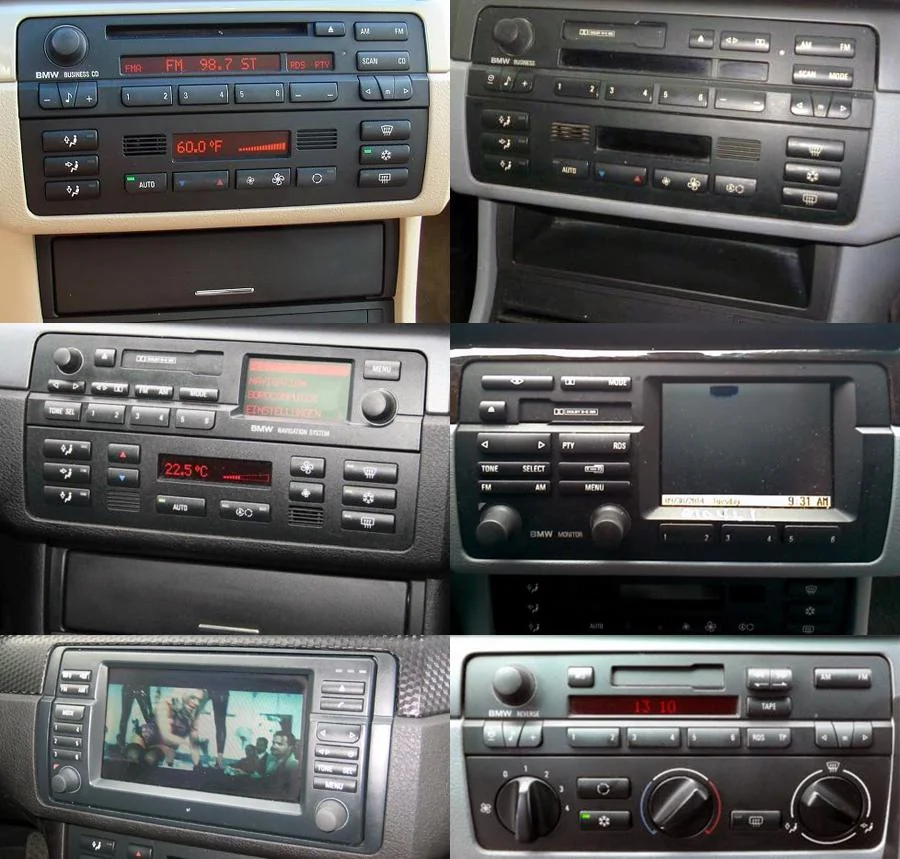
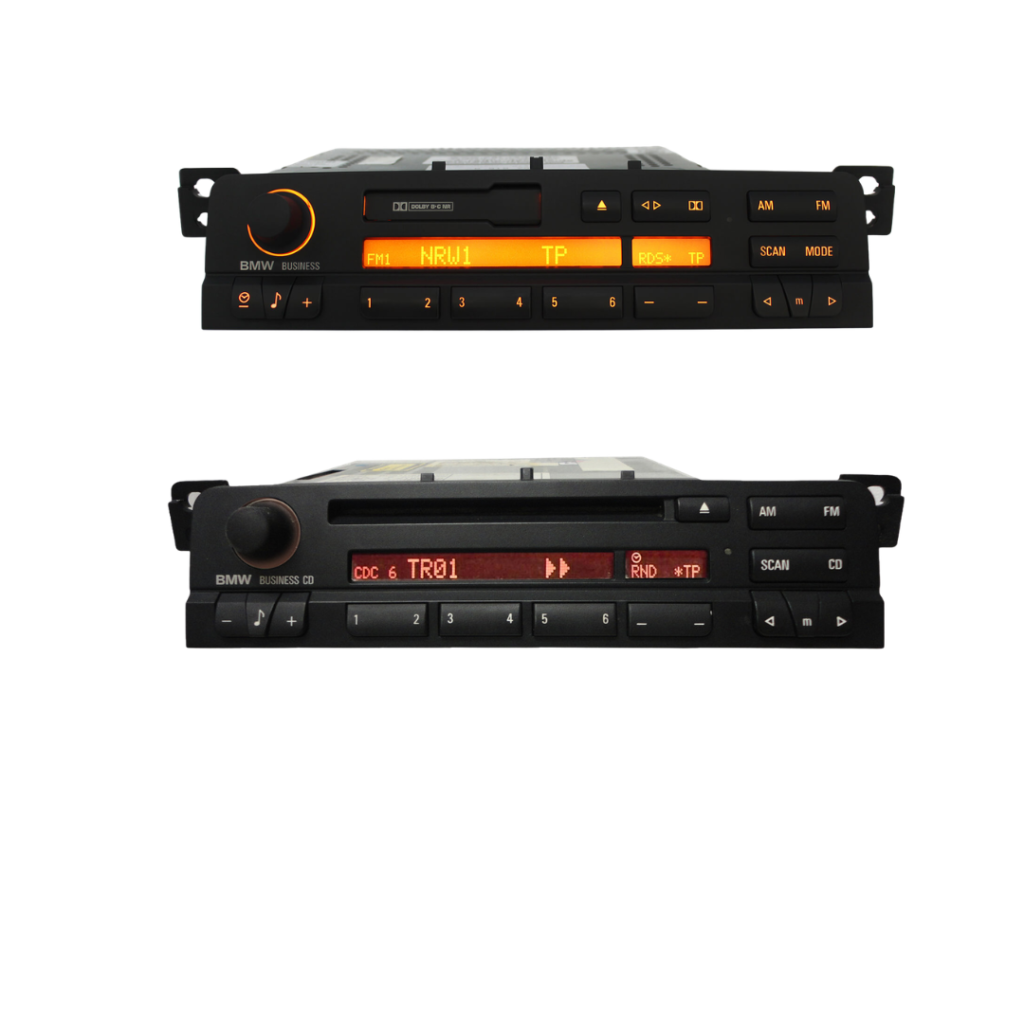
In the early 2000s, the E46 radio binnacle was entirely modular, offering a fascinating array of entertainment and navigation options:
- The Audio Units: Standard cars featured the “BMW Business” cassette or CD player (often paired with a 6-disc CD changer in the boot). For the absolute audiophile, BMW even offered an ultra-rare Mini-Disc player option from the factory.
- Premium Audio: Buyers could upgrade to the mid-tier HiFi Loudspeaker System, or go all-out with the Harman/Kardon Premium Audio, featuring dedicated subwoofers and a specific “Surround Sound” activation button located on the center console.
- The Navigation & TV Evolution: Early models could be ordered with a primitive but charming 2-inch orange LED directional display. This was later succeeded by the highly coveted 16:9 Navigation System Professional. Incredibly, buyers could even option a factory TV function (Code S601A), allowing the screen to broadcast analog television signals. Opting for the large screen required the digital heater controls to be relocated downward, replacing the standard sunglasses storage cubby.
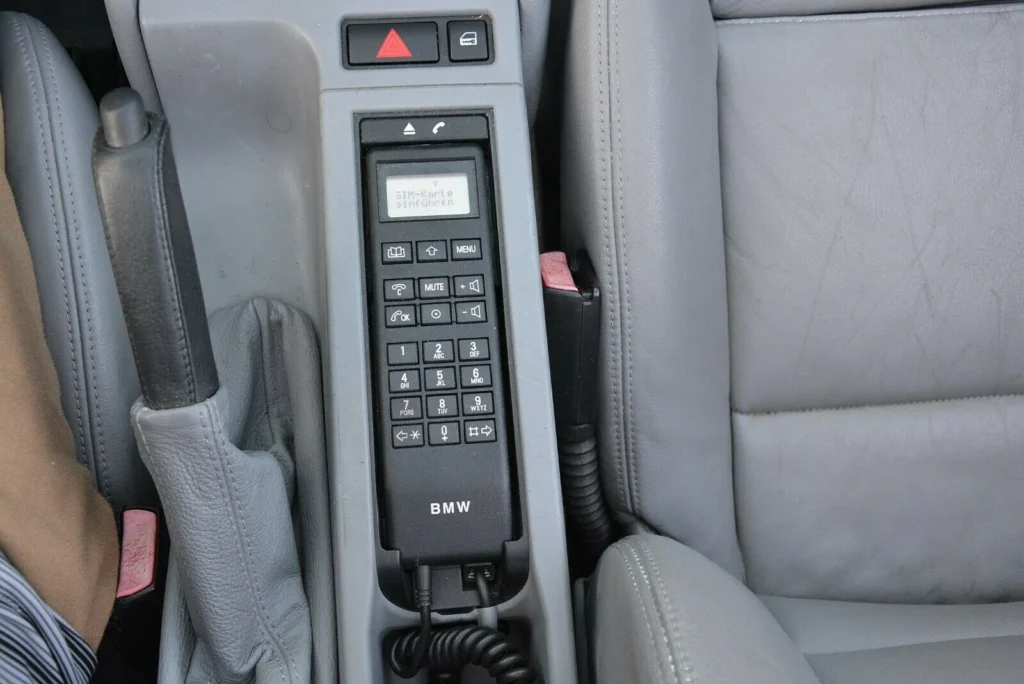
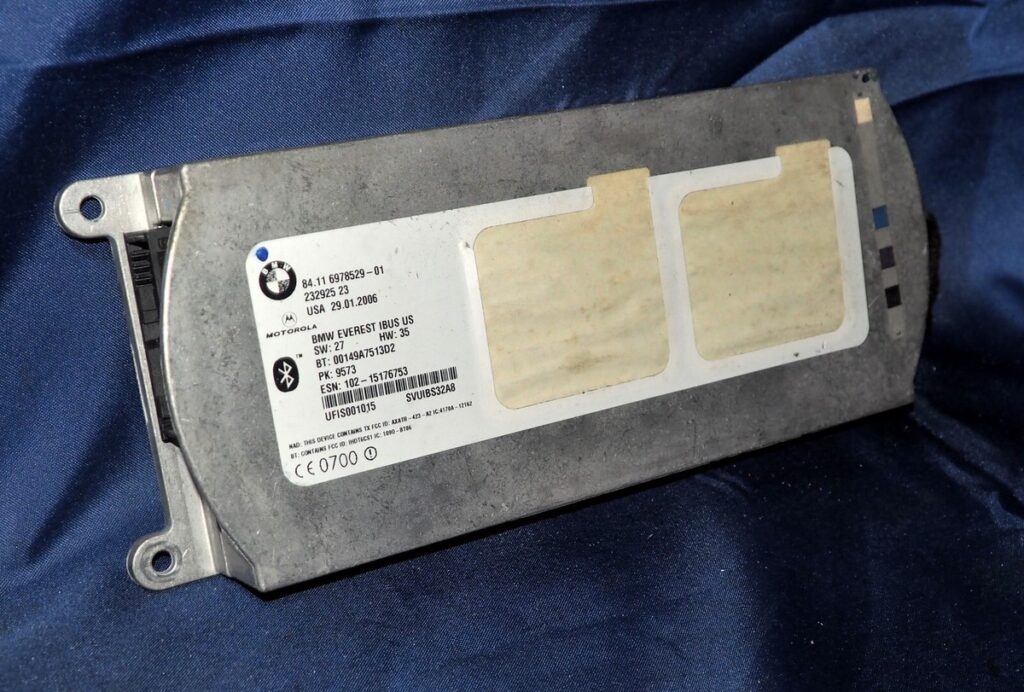
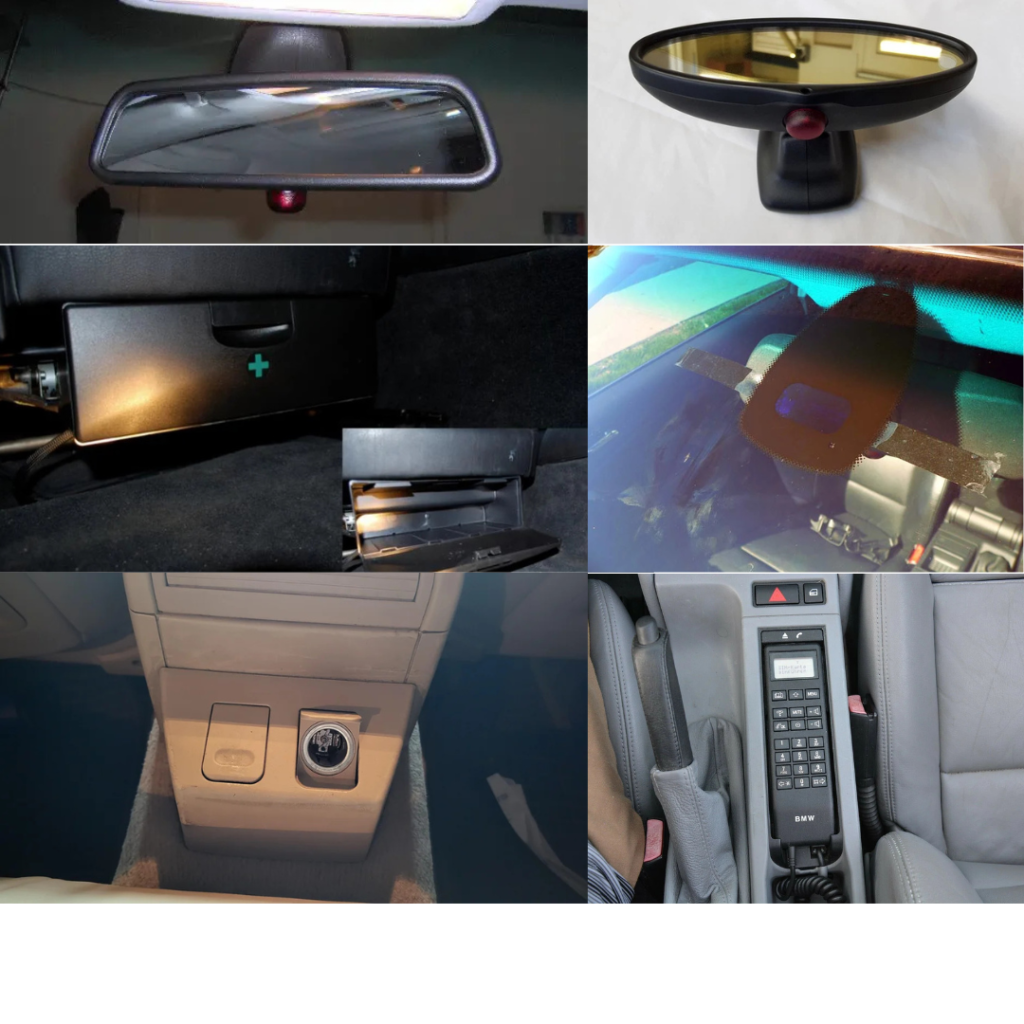
- The Factory Car Phone & Bluetooth: The ultimate symbol of early-2000s executive luxury was the integrated car phone nestled perfectly inside the center console armrest. Later in the production run, BMW introduced a cutting-edge Bluetooth system, allowing drivers to seamlessly pair their mobile devices using the dedicated telephone buttons on the multifunction steering wheel.
Premium Convenience & Hidden Details
What truly made the E46 special were the meticulous, hidden details and the extensive list of premium extras that made daily driving an absolute pleasure:
- The “Clown Nose” & Auto Sensors: Looking up, the auto-dimming interior rearview mirror housed the infamous translucent red “clown nose”—the visual indicator bulb for the factory anti-theft alarm system. Mounted directly behind this mirror on the windshield was the highly desirable rain and light sensor. This module enabled automatic windshield wipers and automatic headlights (requiring a specific Light Control Module switch featuring the “A” setting).
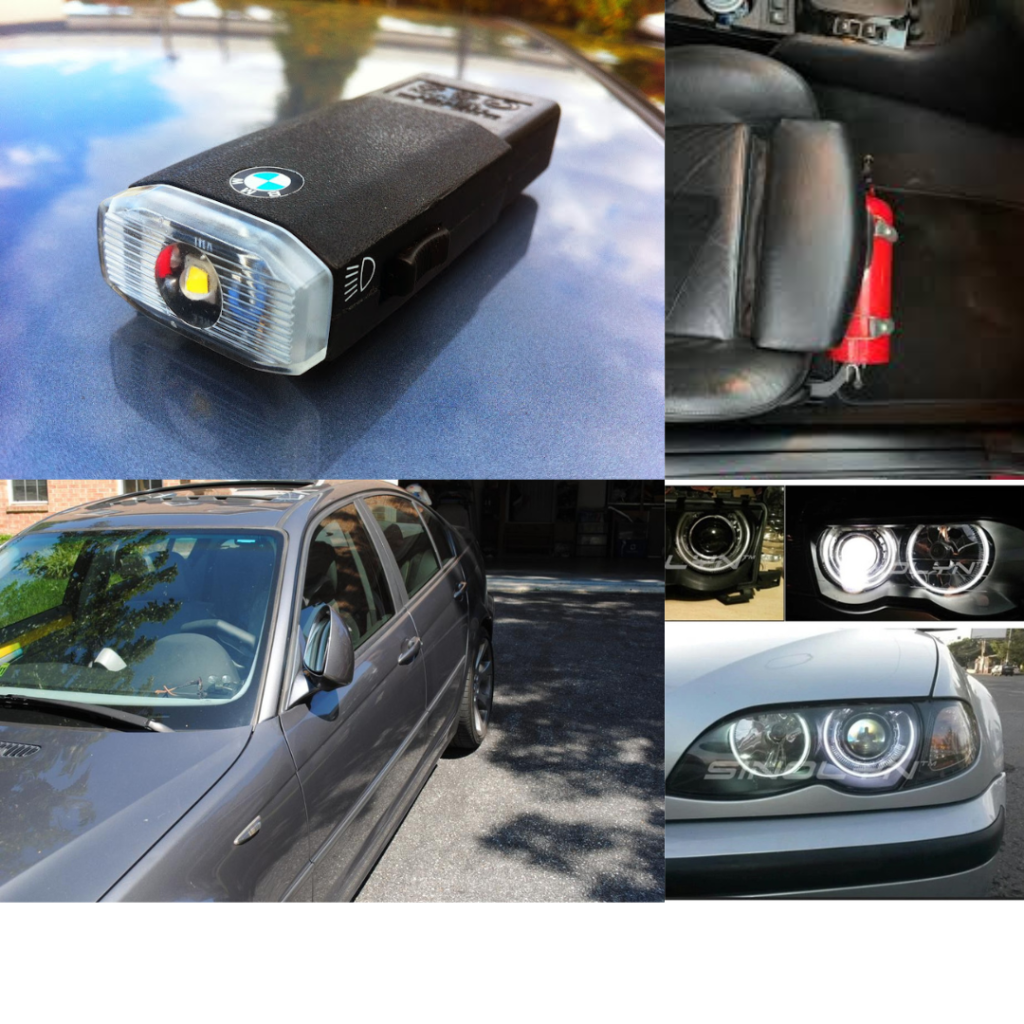
- Exterior Tech: Buyers could spec power-folding exterior mirrors and rear Park Distance Control (PDC)sensors for tight city parking, alongside heated windshield washer jets to combat freezing winters. At the front, Bi-Xenon headlights with automatic washers gave the E46 a piercing, modern stare at night. Buyers could also specify a green shade band across the top of the windshield to combat glare.
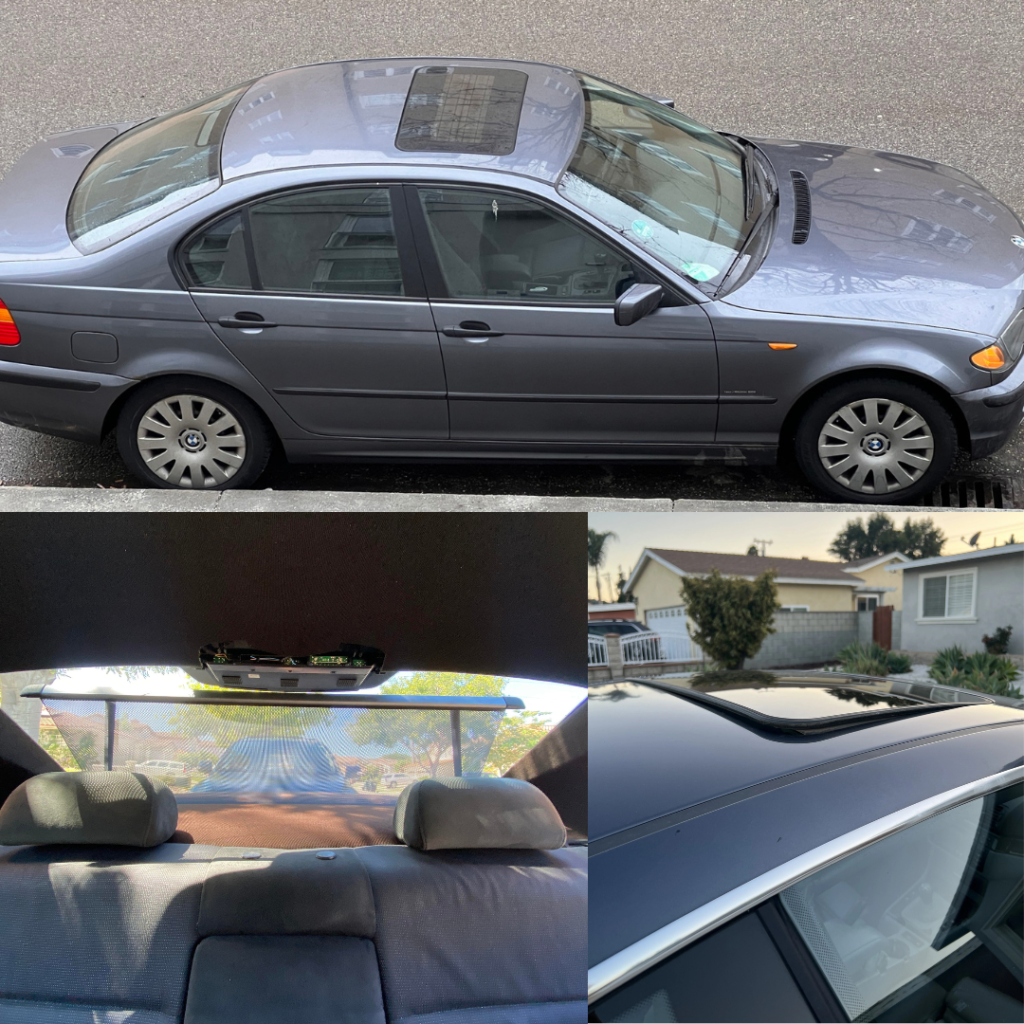
- The Esthetics: To modernize the look, many owners opted for the White Direction Indicator Lights (clear lenses) instead of the standard amber ones, and the highly sought-after Shadow-Line exterior trim, which replaced the standard chrome window surrounds with a sleek, satin black finish.
- The Sunroof & Sunblind: Above the occupants, the optional electric glass moonroof featured a manual sliding sunshade. However, the absolute holy grail of roof options was the exceptionally rare Solar Sunroof. This marvel of early-2000s engineering featured integrated solar panels that powered the cabin’s HVAC blower fan while parked in direct sunlight, circulating fresh air to keep the interior cool without draining the car’s battery. For rear passengers, a motorized electric rear sunblind could be raised or lowered via a button on the center console.
- The Smoker & Storage Packs: Selecting the Smoker’s Package and extended storage added highly practical elements, including a rear 12V cigarette lighter integrated into the back of the center console.
- Hidden Emergency Kits: True BMW nerds know to look for the proprietary rechargeable flashlight plugged inside the glovebox, the factory First Aid kit hidden in a plastic box under the front passenger seat, the factory fire extinguisher mounted in the driver’s footwell, and the warning triangle securely mounted in the trunk.
Body-Specific Practicality
While sedans offered a massive 440-liter boot—complete with BMW’s signature drop-down tool kit ingeniously integrated into the underside of the trunk lid—the folding rear seats (a standard 60/40 split on Coupes and Tourings) were an incredibly rare option on the Sedan, where a simple “ski-bag” pass-through behind the armrest was more common.
The Touring models maximized utility with a clever underfloor storage compartment in the trunk and an optional retracting dog net. The uniquely styled Compact model offered its own clever touches, including a bespoke parcel shelf featuring an ingenious optional under-bag for hidden storage. Meanwhile, the Coupe featured incredibly elegant frameless doors with a smart auto-drop function to seal the cabin tightly, and crucially, standard electric rear pop-out windows.
THE M-SPORT REVOLUTION (M-TECH I & M-TECH II)
For those who craved the dynamism and aggression of the Motorsport division without the high running costs of an M3, BMW offered the perfect solution: the legendary M Sports Package. This was far more than a simple aesthetic kit; it was a total vehicle transformation that altered the stance, aerodynamics, and tactile feel of the E46.
Selecting this package elevated the E46 far above the standard models through a suite of high-performance components:
- M Aerodynamics Package: A wind-tunnel-tested body kit specifically designed to reduce lift and increase cooling to the engine and brakes.
- M Sports Suspension II: A significantly firmer chassis setup with stiffer springs, recalibrated shocks, thicker anti-roll bars, and a 15mm lower ride height for a more planted feel.
- Sports Seats: High-bolster racing seats with adjustable thigh support, available in various premium trims including the iconic Alcantara/Cloth combination.
- M Leather Steering Wheel: A thick-rimmed, three-spoke masterpiece featuring ergonomic thumb notches and signature M-colored stitching.
- Headlining Anthracite: A dark, black-colored roof lining including the A, B, and C pillars, creating a focused, intimate cockpit atmosphere.
Aesthetic Evolution: M-Tech I vs. M-Tech II
The “M-Tech” look evolved throughout the E46 production cycle, resulting in two distinct generations:
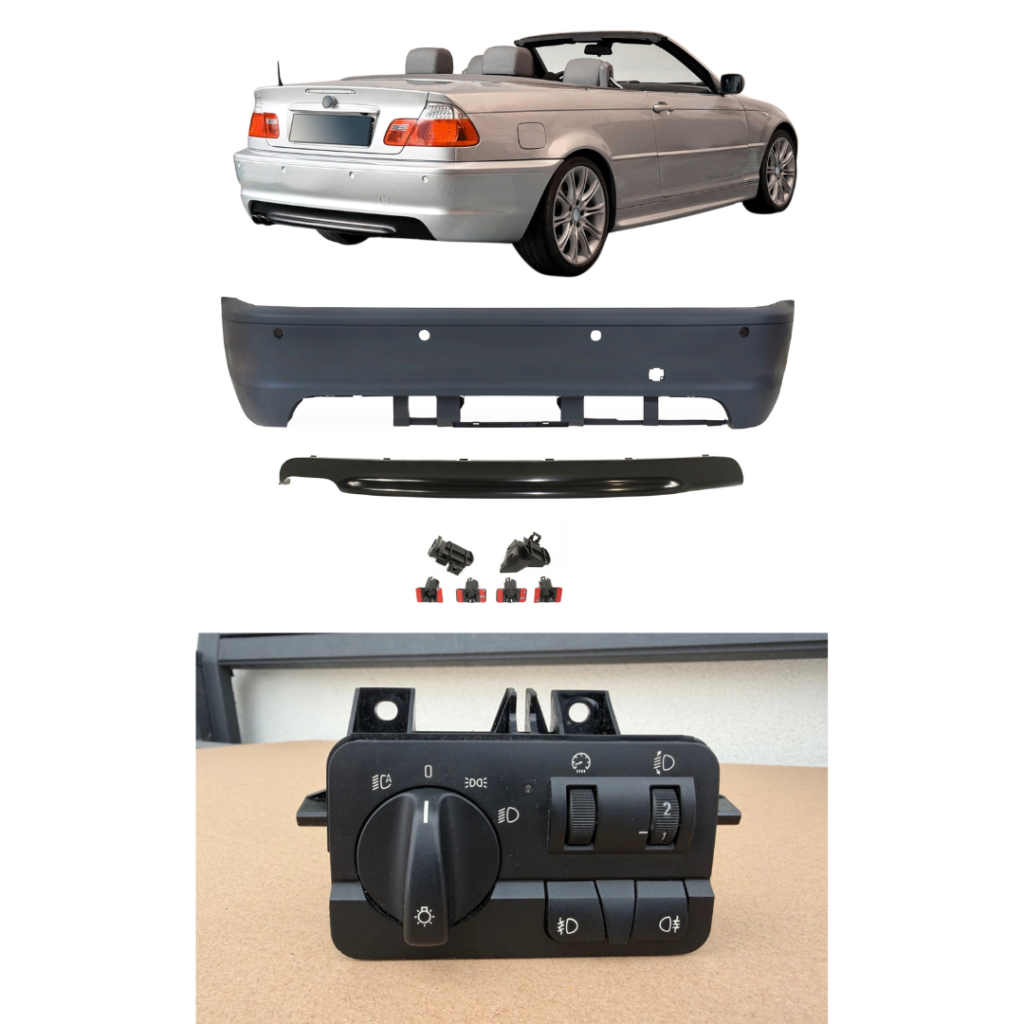
- M-Tech I (Pre-Facelift): Now considered a rare, understated classic, M-Tech I featured softer, rounded bumper designs. The front air intake used a honeycomb mesh, and the rear bumper featured a modest black diffuser. It was almost exclusively paired with the lightweight 17-inch Style 68 staggered wheels.
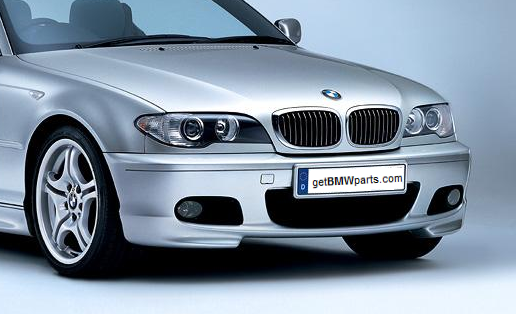
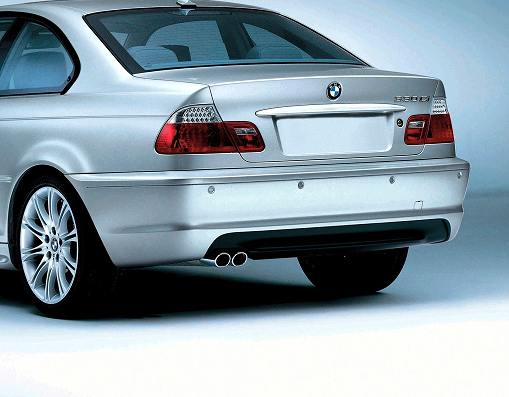
- The Iconic M-Tech II: Introduced alongside the facelift, this became the definitive “Sport” look. It featured a much more aggressive front bumper with flared side splitters (reminiscent of the M3 CSL), deeper side skirts, and a pronounced rear diffuser. It is most commonly seen with the 18-inch Style 135M wheels.
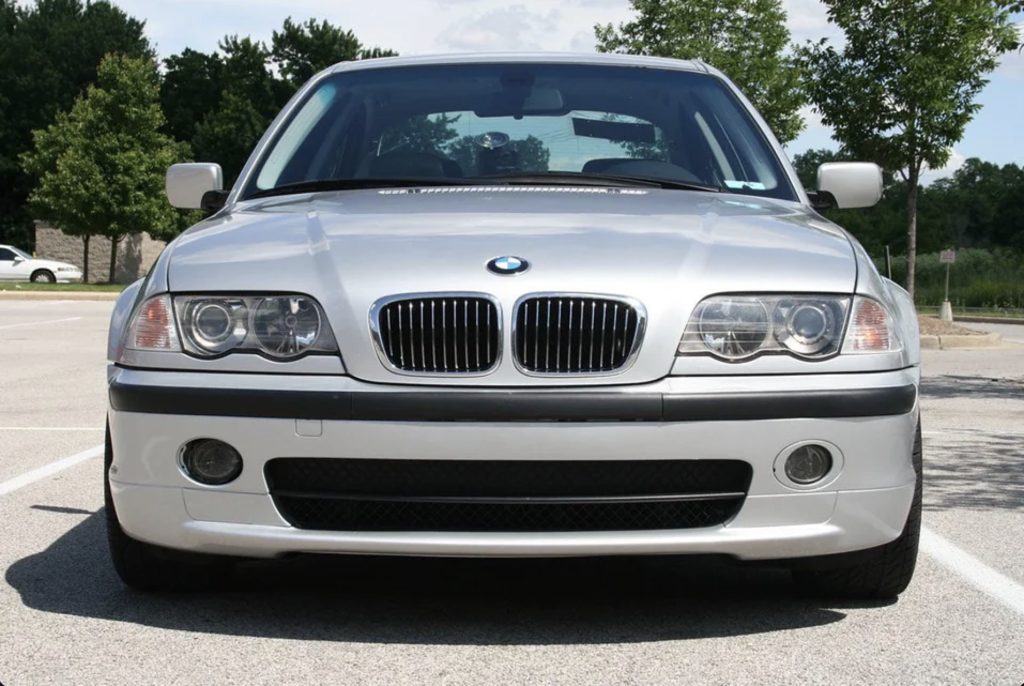
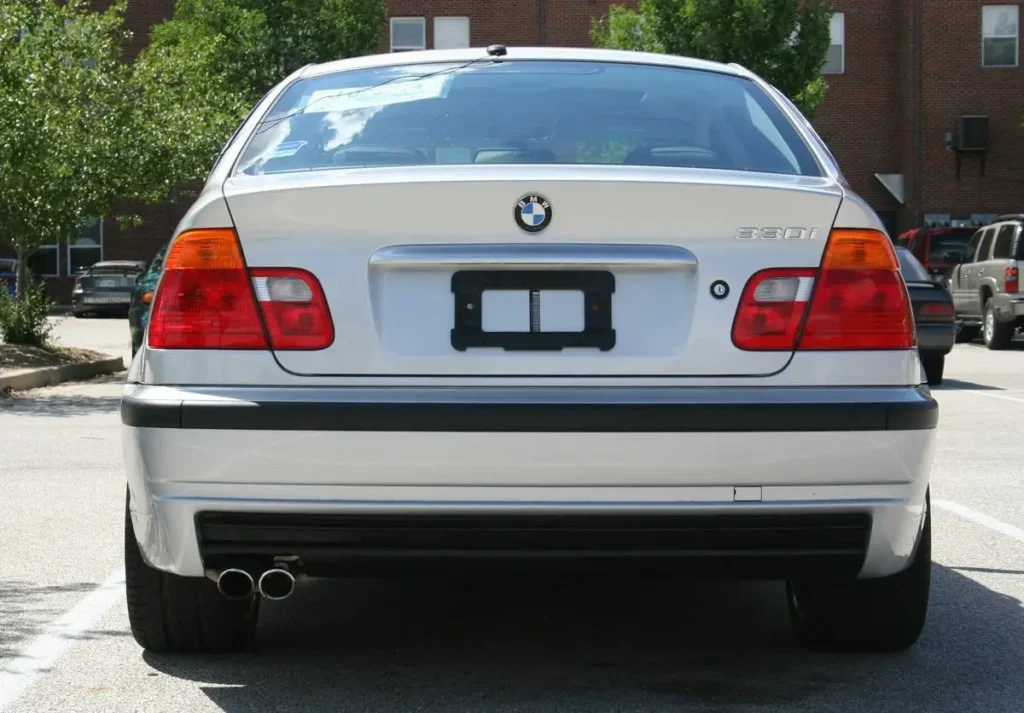
M-Tech I Aerodynamic Package
M-Tech II (M Sport) Package
THE ZHP PERFORMANCE PACKAGE: THE NORTH AMERICAN HOLY GRAIL
While Europe enjoyed the M-Sport models, North American customers (USA and Canada) received something even more exclusive between 2003 and 2006. To bridge the massive gap between the 330i and the M3, BMW created the ZHP Performance Package.
The ZHP wasn’t just a trim level; it was a factory-tuned “sleeper” that many enthusiasts refer to as the “four-door M3” BMW never officially built.
Engine and Performance Upgrades The ZHP’s soul was a modified version of the 3.0-liter M54 engine. It featured:
- Increased Power: A jump from the standard 225 hp to 235 hp.
- Aggressive Camshafts: High-lift cams allowed the engine to breathe more freely at high RPMs.
- Raised Redline: While standard 330i models were limited to 6,500 RPM, the ZHP revved all the way to 6,800 RPM.
- The “Yellow Tag” Steering Rack: A highly coveted feature, this rack provided a quicker, more precise hydraulic steering ratio for instant turn-in.
- Short-Ratio Gearing: Combined with a 6-speed manual or 5-speed automatic, the ZHP used a shorter 3.07:1 rear differential for much faster acceleration.
Bespoke Aesthetics and Interior The ZHP came standard with the full M-Tech II aerodynamics package and the Shadow-Line trim. It also offered unique colors not available on standard 330s, such as the vibrant Imola Red and the stunning Topaz Blue.
Inside, the car felt truly special:
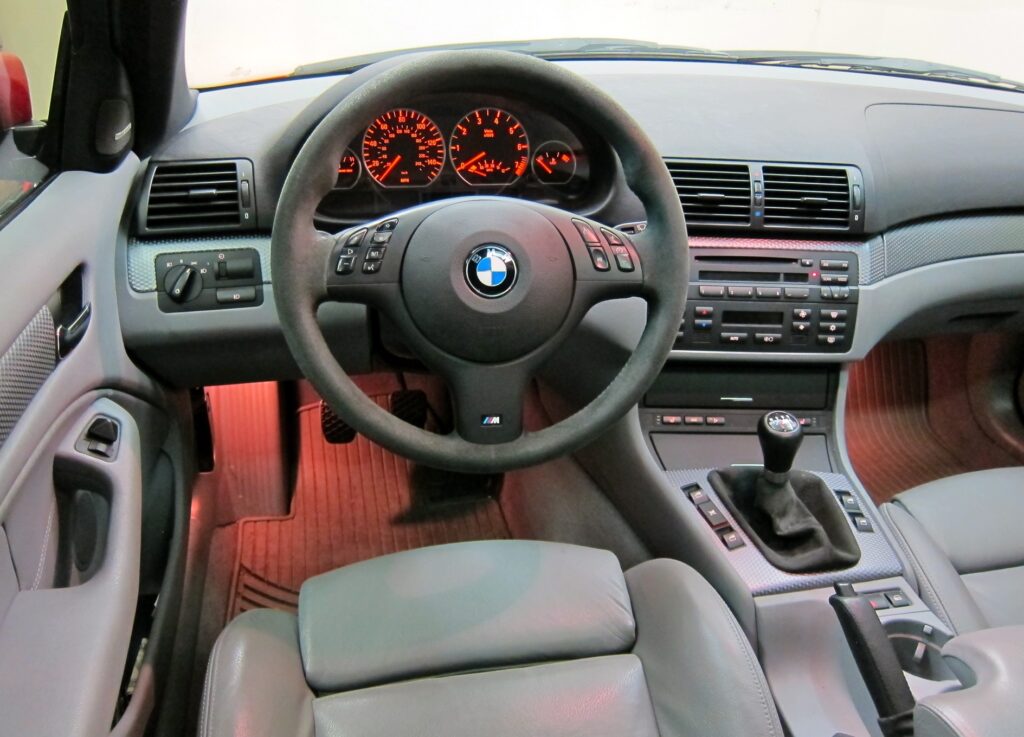
- The Red Needles: The instrument cluster featured racing-red needles, a detail stolen directly from the M3.
- Bespoke Trim: The dashboard was finished in either Silver Cube or Black Cube aluminum trim.
- Alcantara Touches: The steering wheel, handbrake boot, and gear gaiter were often finished in Alcantara to match the sport seats.
- The ZHP Knob: It introduced the legendary weighted short-shift gear knob that is still the #1 interior upgrade for BMW owners today.
Market Value and Collectibility The ZHP is currently one of the fastest-appreciating E46 models. While you can verify a true ZHP via the VIN, the market clearly distinguishes them from base 330s.
- Clean, low-mileage Automatic ZHPs currently range from $8,000 to $10,000.
- Manual versions in similar condition fetch a significant premium, often trading between $12,000 and $15,000.
THE CROWN JEWEL: BMW INDIVIDUAL
For the vast majority of buyers, the standard E46 brochure offered more than enough choice. But for a select group of discerning enthusiasts—and those for whom money was no object—the standard options list was merely a starting point. Enter BMW Individual.
Operated out of the M Division’s headquarters in Garching, Germany, the BMW Individual program was the brand’s bespoke customization wing. It allowed buyers to step off the standard assembly line and commission a car tailored to their exact, uncompromising tastes. While the program was heavily restricted in North America (mostly reserved for the M3), in Europe, a customer could apply the Individual treatment to almost any E46, from a 320d Touring to a 330Ci Convertible.
Sonderlackierung: The Bespoke Paintwork
The most striking hallmark of an Individual E46 is its paint. When a buyer opted for a custom color, the standard paint code sticker on the suspension strut tower was replaced with a special black decal reading Sonderlackierung (Special Paint), followed by the exact color name.
These “out-of-catalogue” paints transformed the E46’s lines. Some of the most legendary and highly sought-after Individual colors today include:
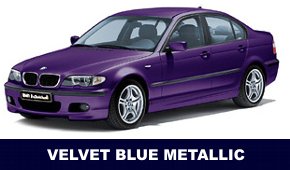
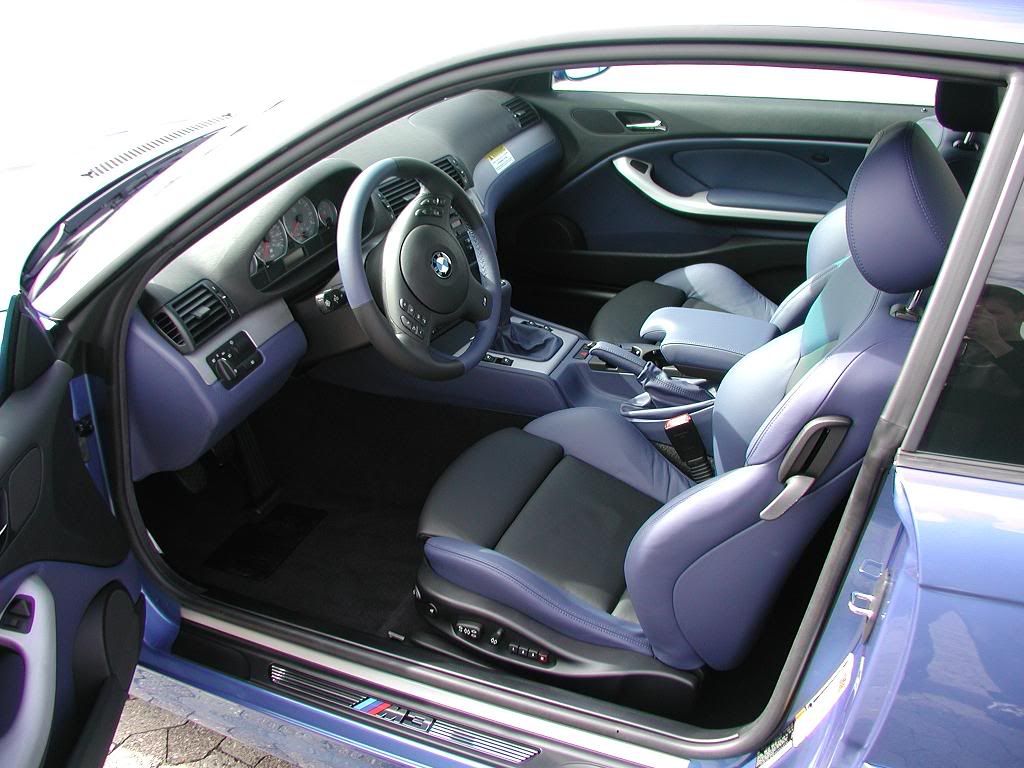
- The Purples & Blues: Mora Metallic (a deep, rich blackberry), Techno Violet (borrowed from the E36 M3), Velvet Blue, and the incredibly vibrant Estoril Blue.
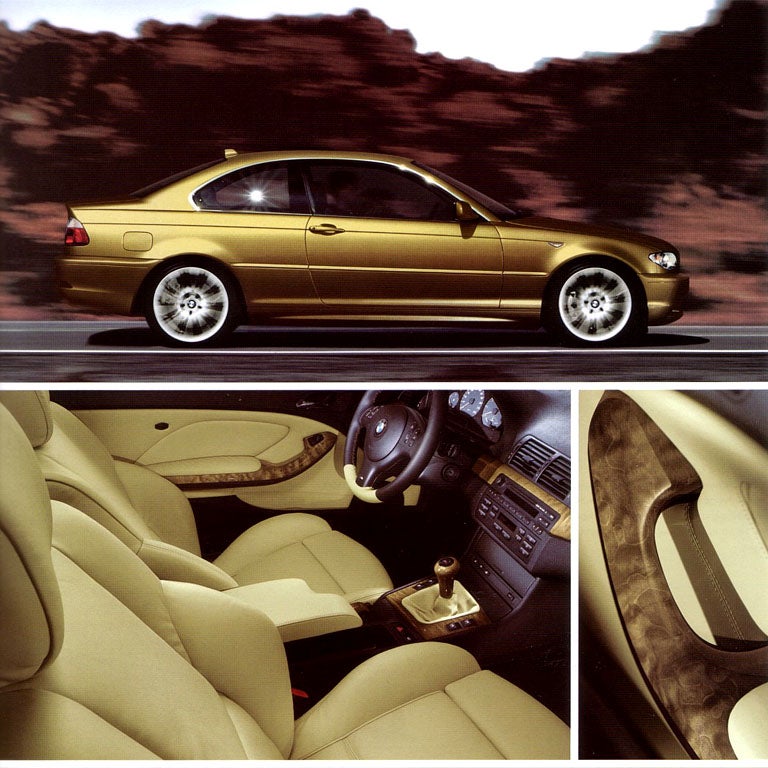
- The Earth Tones: Messing Metallic (Brass Metallic, which shifted between green, gold, and brown depending on the light) and Sepia Metallic.
- The Reds & Yellows: Rubinrot (Ruby Red) and, on very rare occasions, bold M-colors like Dakar Yellow.
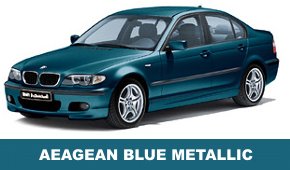
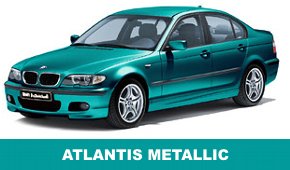
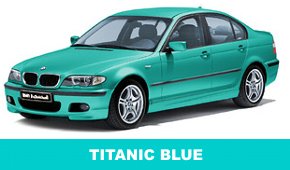
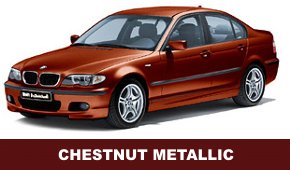
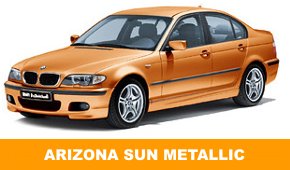
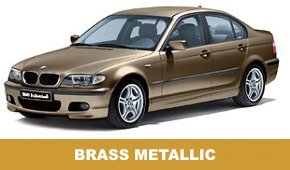
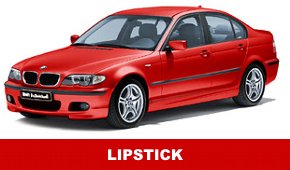
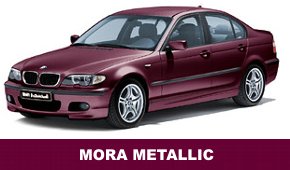
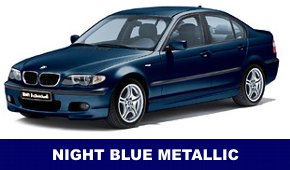
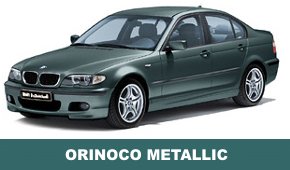
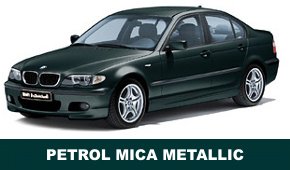
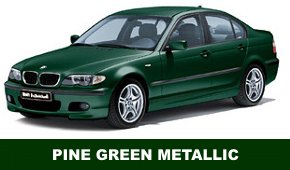
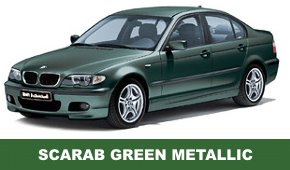
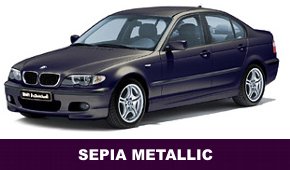
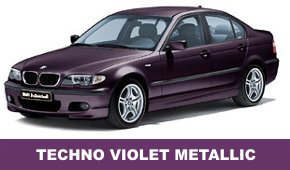








M-Exclusive Palette | While often mistaken for bespoke BMW Individual paints, iconic shades like Laguna Seca Blue and Phoenix Yellow were actually part of the standard M3 catalog. They are strictly exclusive to the M-Division, making them highly sought-after despite not being true Individual orders.
The Cabin: Exotic Hides & Haute Couture
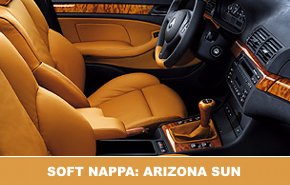
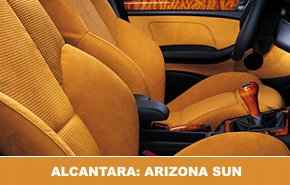
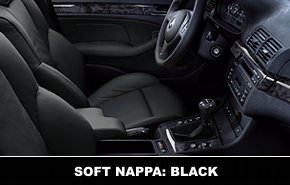
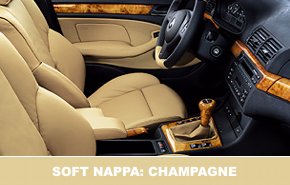
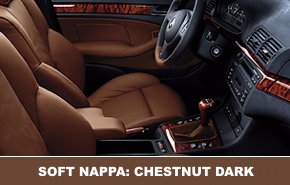
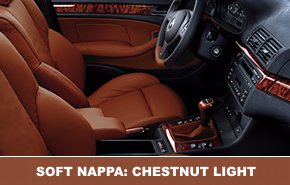
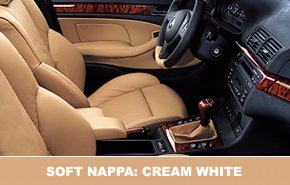
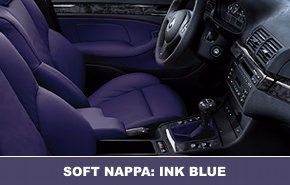
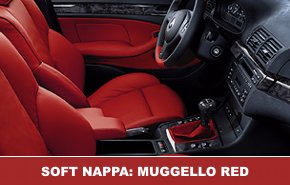
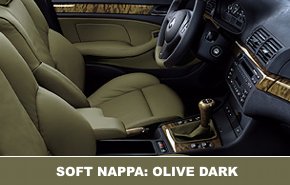
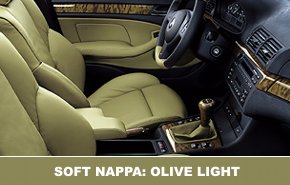
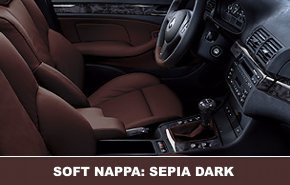
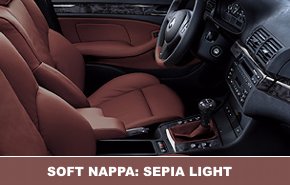
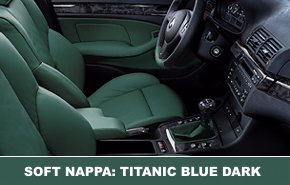
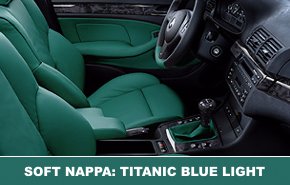
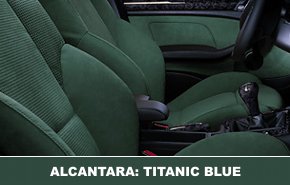
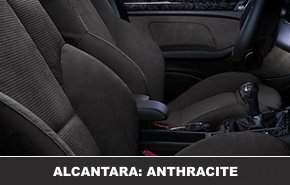
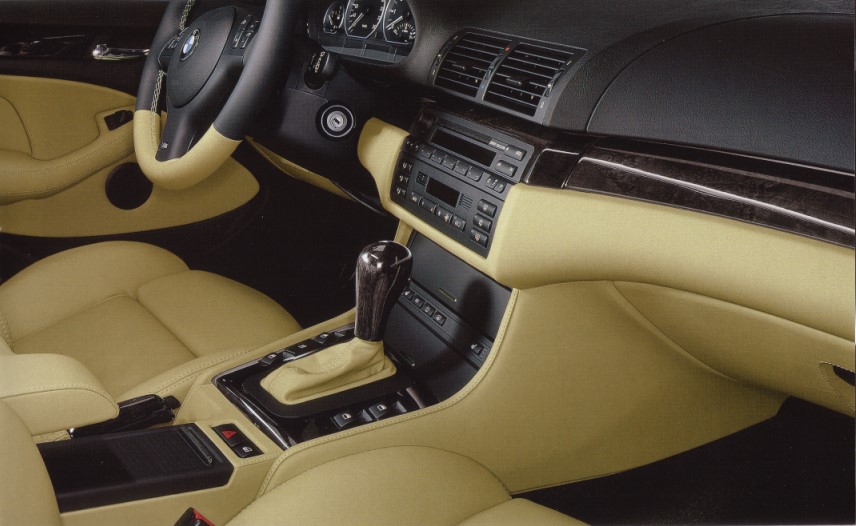
Standard E46 models were trimmed in cloth, Alcantara, Leatherette, or the heavily textured Montana Leather. The Individual program threw all of that out the window in favor of Walknappa Leather—an incredibly smooth, ultra-premium hide normally reserved for the flagship 7 Series.
But it wasn’t just about the quality of the leather; it was about the execution:
- Two-Tone & Piping: Customers could order bespoke two-tone interiors (e.g., Black bolsters with Champagne or Imola Red centers). Another massive flex of the era was contrast piping—where the edges of the seats were stitched with a contrasting strip of leather (like a Midnight Blue interior with Champagne piping).
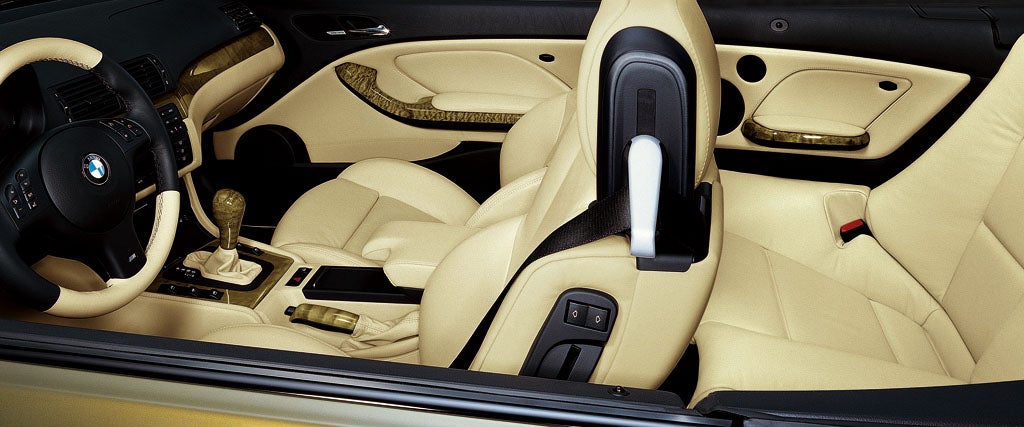
- Extended Leather: On highly specified Individual cars, the luxurious leather didn’t stop at the seats. It extended to the door cards, the armrests, the shift boots, and sometimes even the lower dashboard, elevating the E46 cabin to miniature Rolls-Royce levels of luxury.
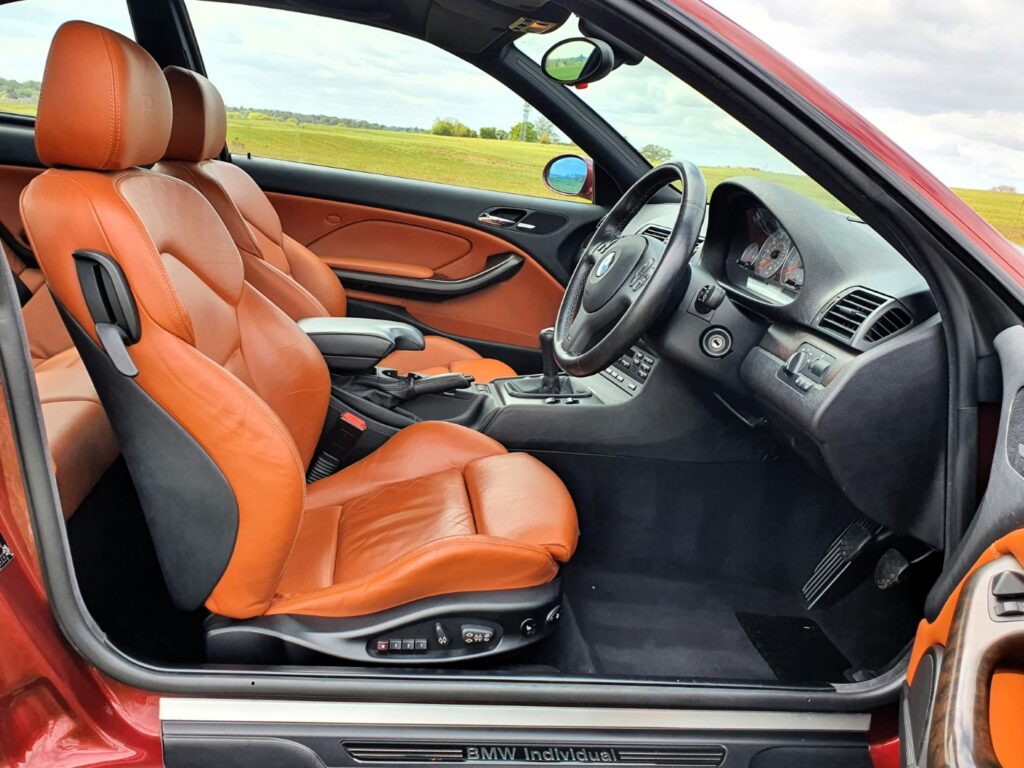
- Rare Colors: Hides like Champagne, Caramel, Amarone, and genuine Cinnamon (which was otherwise locked exclusively to the M3) could be draped across the interior.
The Trim: Moving Beyond Silver and Myrtle Wood
To complement the exotic leathers, BMW Individual offered a selection of rare, handcrafted interior trims that replaced the standard aluminum or Myrtle wood:
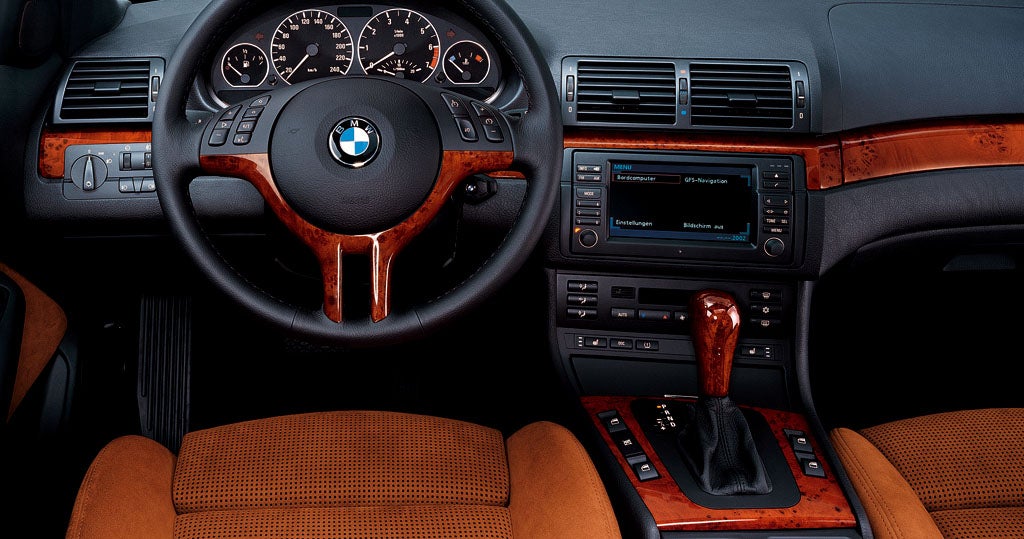
- Birch Anthracite (Birke Anthrazit): The undisputed holy grail of E46 interior trims. It is a stunning, dark grey/black wood with a mesmerizing grain pattern. Today, a complete set of Birch Anthracite trim commands massive premiums on the second-hand market.
- Poplar Natural (Pappel Natur): A lighter, highly textured wood that gave the cabin a yacht-like feel.
- Eucalyptus & Arizona Sun: Exotic, vibrant woods that were often paired with darker leathers for a dramatic contrast.
The Individual Hallmarks
Beyond the paint and the leather, BMW left a few subtle clues for those in the know.
- The Door Sills: Opening the door of a true Individual car reveals bespoke kick plates proudly bearing the “BMW Individual” script.
- The Steering Wheel: Individual cars often featured custom steering wheels. Some included wooden ring inserts to match the interior trim, while others featured a leather rim with the same contrast piping or stitching found on the seats.
Finding a factory-built BMW Individual E46 today—especially a Touring or a manual Coupe in a rare color combination like Mora Metallic over Champagne leather—is like finding a needle in a haystack. They represent the absolute pinnacle of what the E46 platform could achieve in terms of luxury and personalization.
THE GLOBAL SPEC DEBATE: NORTH AMERICA VS. EUROPE
There is a stark contrast between how an E46 was configured in Munich for the domestic market versus how it arrived at dealerships in New York or London. Because of differing market philosophies, BMW offered completely different packages and trim structures depending on the continent. This has created two very distinct secondary markets for collectors today, and a lot of confusion regarding “Z-Codes” and “M-Sport” trims.
Here is the definitive breakdown to bring maximum clarity to the E46 spec sheet.
Market Philosophy: The “Dealer Pre-order” vs. “The Factory Build”
North America (The “Fat” Car Culture): In the United States and Canada, BMW functioned on a dealer-inventory model. Dealerships pre-ordered large batches of cars equipped with bundled “Z-Code” packages to ensure customers could drive off the lot immediately. This led to “standardized” high-spec cars, making features like sunroofs, leatherette, and cruise control almost universal.
UK & Europe (The “A La Carte” Approach): European customers were more likely to factory-order their vehicles, ticking every box individually. Alternatively, European markets had specific national trim levels (such as Eletta, Attiva,or Futura in Italy). In the UK, the “Company Car” effect played a massive role: employees often had a fixed budget and would prioritize a larger engine (like a 330i) while leaving the car completely “base” inside to stay within budget. This is why Europe is full of “Slicktops” (cars without sunroofs) and manual-seat models.
Standard Equipment & Hardware Disparities
Before even looking at optional packages, the North American market (BMWNA) effectively started at a much higher baseline of luxury and performance:
- Powertrains: North America only received the larger 6-cylinder engines (2.5L and 3.0L). In contrast, the majority of European sales consisted of the 4-cylinder 316i, 318i, and the 320d diesel—engines that were never offered in the US.
- Audio Systems: Every US-spec E46 came from the factory with an amplified audio system including a trunk-mounted amplifier. In Europe, the “base” audio system was truly entry-level, often lacking an external amp.
- The Sunroof Paradox: Finding a non-M 330i in the US without a sunroof is nearly impossible. In Europe, many enthusiasts specifically ordered cars without them to save weight (approx. 20kg) and increase chassis rigidity.
- Lighting & Safety: European models came standard with rear fog lights, a feature that required a different light-switch module and coding for US owners to retrofit. Additionally, European cars featured Aspheric (blind-spot) side mirrors, which were not permitted by US DOT regulations at the time.
- X-Drive: While the All-Wheel Drive (xi) models were extremely popular in the US and Canada for snow states, they were never offered in Right-Hand Drive (RHD) markets like the UK, where the 3 Series remained strictly Rear-Wheel Drive.
Decoding the Packages: USA “Z-Codes” vs. European Trims
This is where the greatest confusion lies for modern collectors. The famous three-letter codes starting with “Z” (ZPP, ZSP, ZHP) were exclusive to North America. They do not exist in the European market.
The American Baseline: ZPP, ZCW & ZSP
- ZPP (Premium Package): The core luxury bundle. Look for wood trim, a sunroof, auto-dimming rearview mirror, power seats, and Lumbar Support. Rain-sensing windshield wipers were also included (standard after 2004).
- ZCW (Cold Weather Package): Essential for northern climates. Look for heated seat buttons on the center console, headlight washers below the headlights, and the ski pass-through in the rear.
- ZSP (Sport Package): The entry point for driving enthusiasts. It added a 3-spoke steering wheel, sport seats with adjustable thigh supports, 17-inch wheels, and a dedicated sport suspension featuring firmer springs, tighter dampers, and a lower ride height.
The European Solution: The M-Sport Revolution For those who craved the aggression of the Motorsport division without buying an M3, Europe relied on the M Sports Package (which could be ordered on almost any engine, even a 318i or 320d). This elevated the E46 through a suite of high-performance components: M Sports Suspension II, sport seats, Anthracite headlining, and the thick-rimmed M leather steering wheel.
The Apex: M3 & ZCP Competition Package Sitting above all standard and performance trims was the M3 (powered by the 343hp S54 engine). In late 2004, BMW introduced the ultimate iteration for the M3 Coupe: the ZCP (Competition Package). It featured 19-inch cross-spoke alloy wheels, enlarged cross-drilled brakes, a quicker 14.5:1 steering ratio, an Alcantara steering wheel with a dedicated “M Track Mode” button, and the exclusive Interlagos Bluepaint option.
Upholstery and Aesthetics
- Alcantara vs. Leather: In Europe, the M-Sport package almost always meant a cloth and Alcantara interior. In North America, Alcantara was extremely rare (reserved almost exclusively for the ZHP), with most “Sport” cars receiving Montana Leather or the durable “Leatherette” (vinyl).
- Cinnamon vs. Natural Brown: A common point of confusion. True Cinnamon leather was an M3-exclusive color. Non-M E46s in the US often featured Natural Brown, which is a similar “baseball glove” tan. However, in Europe, the BMW Individual program allowed wealthy customers to order genuine Cinnamon leather on a standard sedan or touring.
The “Individual” Monopoly
Despite US cars having more “standard” gadgets, Europe held the monopoly on true exclusivity. The BMW Individualprogram—offering “out-of-catalogue” paint colors like Mora Metallic, Techno Violet, or Estoril Blue alongside ultra-premium Walknappa leathers—was an active part of the European price list. In North America, the Individual program was largely restricted to the M3, meaning standard US 330i models were limited to a much smaller, more conservative color palette.